API Integrations Connecting Payment Processors to Gaming Platforms for Live Dealer Access and Reward Accumulation in Mobile Apps
Iris Jung · Aug 1, 2026
API Integrations Connecting Payment Processors to Gaming Platforms for Live Dealer Access and Reward Accumulation in Mobile Apps
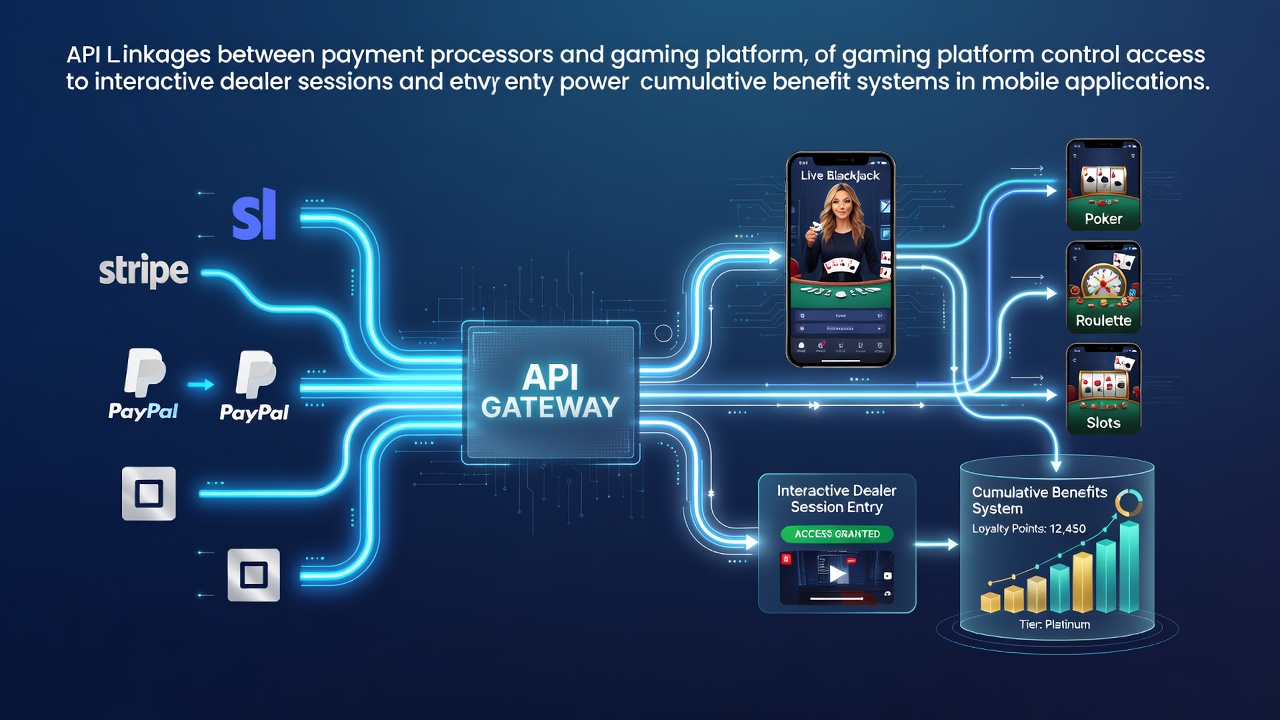
Payment processors and gaming platforms rely on API integrations to verify transactions in real time, and these connections directly control user entry into interactive dealer sessions while tracking points that feed into cumulative benefit systems across mobile applications. Data from industry reports shows that such linkages handle authentication, balance checks, and compliance checks before any live table interaction begins, which ensures that only verified accounts gain access to dealer streams and progressive reward ladders.
Core Mechanics of API-Driven Transaction Verification
APIs serve as standardized interfaces that transmit payment data between processors and gaming servers, and they execute checks for sufficient funds, regulatory compliance, and account status within milliseconds. Research indicates these calls often include encrypted payloads containing user identifiers, transaction amounts, and session tokens, while the receiving platform responds with approval codes that unlock specific features. Observers note that in August 2026, several major mobile operators updated their API endpoints to incorporate enhanced fraud detection layers, and this shift aligned with broader industry efforts to tighten security around live dealer environments.
Gatekeeping Access to Interactive Dealer Sessions
Entry to live dealer sessions hinges on successful API responses from payment processors, because platforms require confirmation that a deposit cleared and met jurisdictional rules before streaming video feeds or seating players at virtual tables. Those who study these systems point out that failed verifications trigger immediate redirects to funding pages, whereas approved transactions generate temporary access tokens valid for the duration of the session. Figures from regulatory filings reveal that platforms in multiple jurisdictions process thousands of such API requests hourly during peak hours, and each successful call updates the user's eligibility profile in the backend database.
Building Cumulative Benefit Systems Through Linked Data Flows
Reward accumulation occurs when APIs log every verified transaction and map those values to tiered loyalty metrics, which then determine bonus eligibility, cashback percentages, and exclusive event invitations. Experts have observed that mobile applications pull this data through scheduled API pulls or webhook notifications, and the resulting points feed algorithms that adjust player status in near real time. According to records maintained by the American Gaming Association, integrated systems now support cross-game reward tracking, so deposits made for slots contribute directly to live dealer access thresholds without separate verification steps.
One documented implementation involves a processor sending structured JSON responses that include not only approval status but also metadata about deposit velocity and user tenure, and gaming platforms use these fields to accelerate or delay progression through benefit tiers. Turns out the architecture reduces latency for players while maintaining audit trails that satisfy oversight requirements from bodies such as state gaming commissions in the United States and similar entities in Canada.
Implementation Patterns in Portable Casino Ecosystems
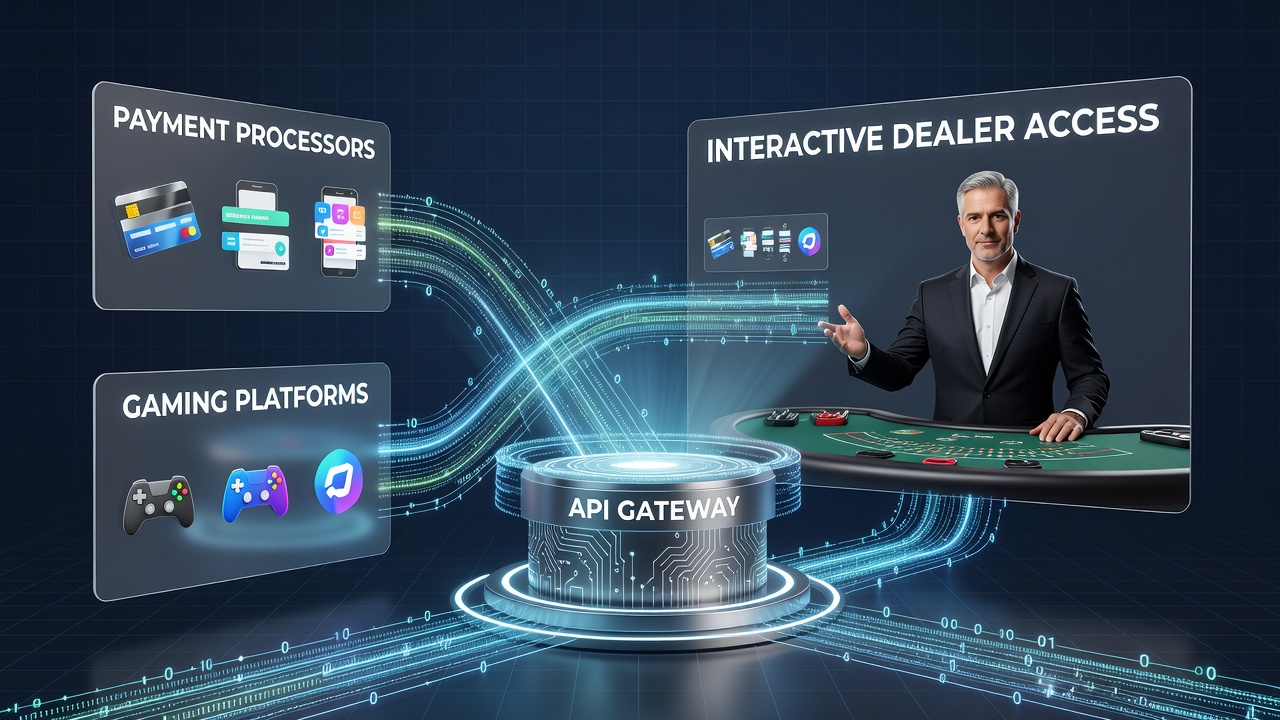
Developers embed these API linkages within SDKs that mobile applications load at launch, and the code handles token refresh cycles, error handling, and fallback mechanisms when network conditions vary. Studies from research institutions indicate that robust implementations include retry logic with exponential backoff, which prevents session drops during brief connectivity interruptions. People familiar with the infrastructure note that platforms also maintain sandbox environments where new processor integrations undergo testing before live deployment, and these tests simulate edge cases such as partial deposits or currency conversions.
Geographic variation appears in the choice of processors and the depth of data exchanged, whereas European operators often route calls through centralized hubs that enforce GDPR-aligned logging, while North American setups emphasize state-level reporting feeds. In August 2026, several Asian markets introduced updated API specifications requiring explicit consent flags for reward data sharing, and these changes prompted developers to revise their integration layers accordingly.
Security and Compliance Layers Within the API Chain
Encryption protocols and mutual authentication certificates protect the data exchanged between payment processors and gaming platforms, because any breach could expose both financial details and player eligibility records. Industry organizations report that regular penetration testing and third-party audits examine these API endpoints for vulnerabilities, and findings drive iterative updates to authentication methods. Data from academic papers on digital payment security shows that tokenization techniques further isolate sensitive card information from the gaming side, limiting exposure while still allowing accurate reward calculations.
Conclusion
API linkages between payment processors and gaming platforms form the operational backbone that governs entry to interactive dealer sessions and the growth of cumulative benefit systems in mobile applications. These connections transmit verified transaction data, enforce access rules, and accumulate metrics that shape long-term player progression, all while operating under regulatory frameworks that differ by region. Continued refinements to endpoint standards and security protocols keep these systems aligned with evolving compliance demands and technological capabilities.