Biometric Authentication Pathways Reshaping Access Protocols for Themed Entertainment Modules on Portable Devices
Harper Hughes · Jul 16, 2026
Biometric Authentication Pathways Reshaping Access Protocols for Themed Entertainment Modules on Portable Devices
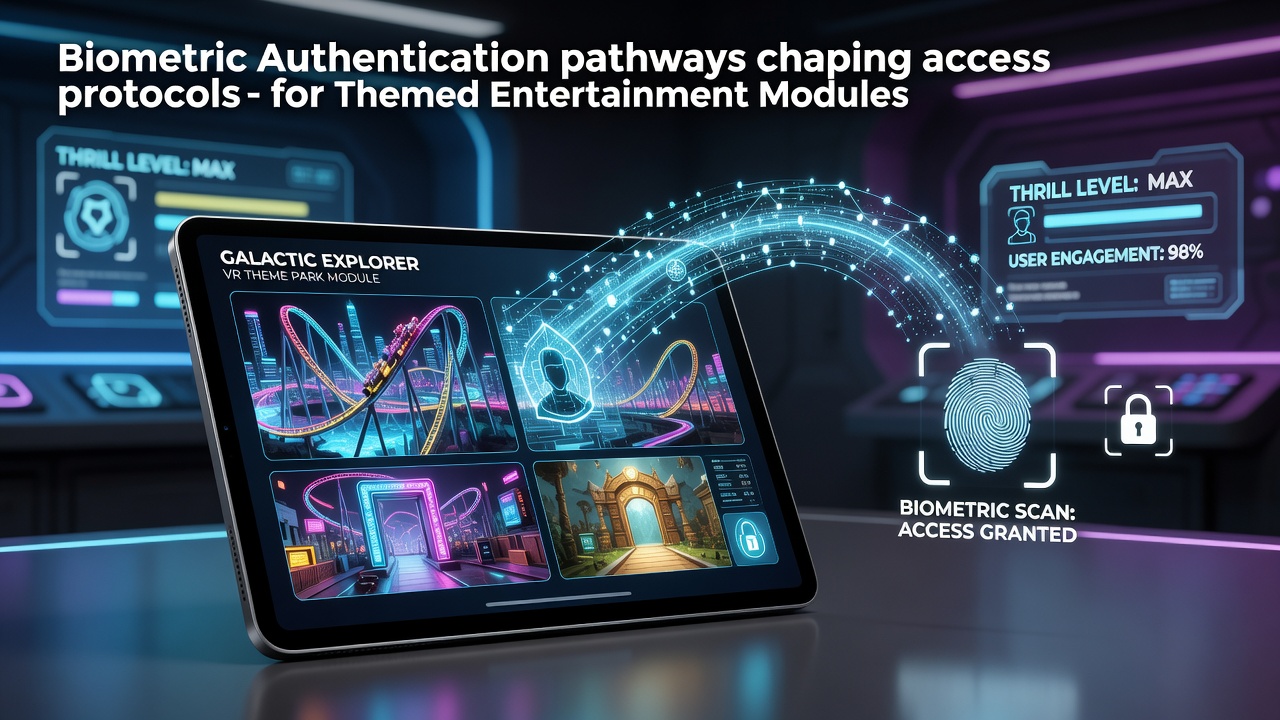
Biometric authentication pathways have begun integrating into portable device ecosystems that manage themed entertainment modules, shifting access protocols away from traditional password systems toward physiological and behavioral verification methods. These pathways incorporate fingerprint scanners, facial recognition algorithms, iris mapping, and voice pattern analysis to grant entry into curated content libraries featuring narrative-driven experiences, augmented reality overlays, and virtual environment simulations. Data compiled by the National Institute of Standards and Technology indicates that adoption rates for multi-modal biometric systems in consumer mobile applications rose steadily between 2023 and 2025, driven by hardware advancements in smartphone sensors and processor efficiency.
Core Components of Biometric Pathways in Entertainment Contexts
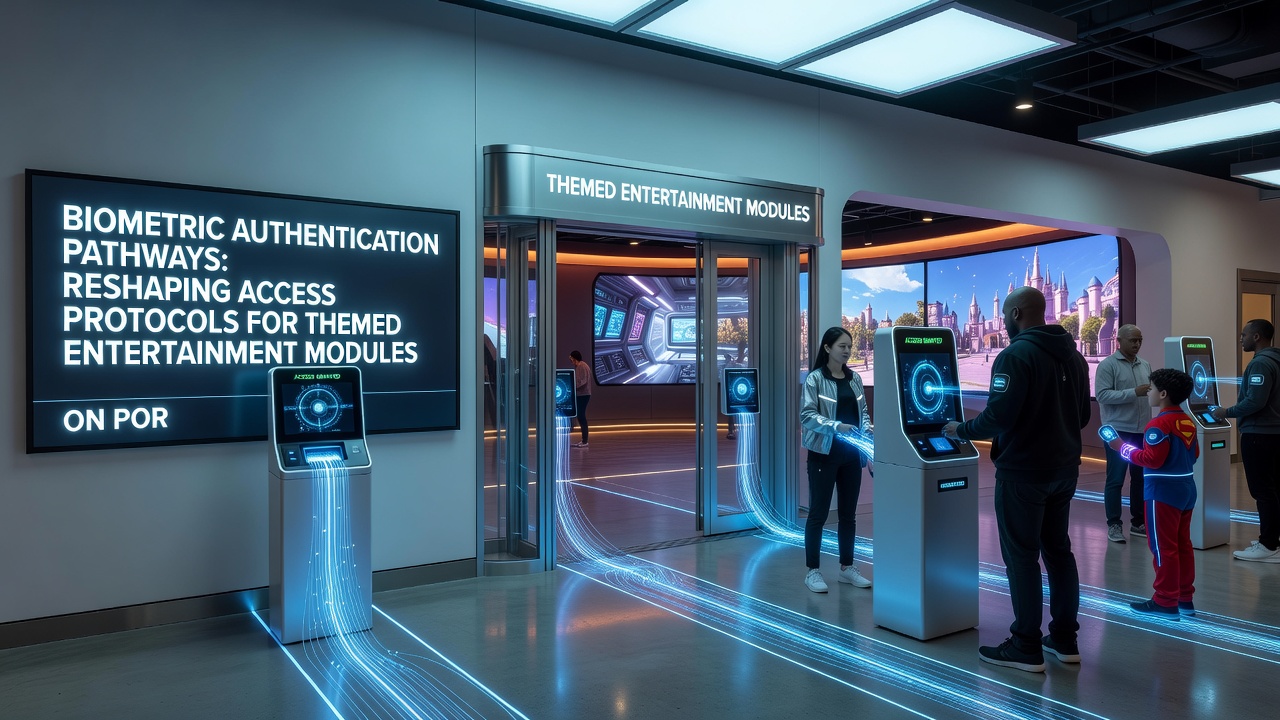
Portable devices now route authentication requests through layered protocols that combine device-level hardware with cloud-based matching services. A user initiates access to a themed module by presenting a biometric sample, which the system compares against enrolled templates stored in encrypted enclaves. Researchers at the University of Waterloo documented how these protocols reduce authentication latency to under 800 milliseconds on average when operating across 5G networks, allowing seamless transitions between module sections without repeated credential prompts. Behavioral biometrics add another dimension by tracking interaction rhythms such as swipe velocity and hold duration during module navigation, flagging anomalies that trigger secondary verification steps.
July 2026 marked a notable expansion phase when several device manufacturers updated firmware to support standardized biometric application programming interfaces developed under international collaboration frameworks. These updates enabled themed entertainment providers to deploy region-specific access rules while maintaining consistent verification accuracy across hardware variants. Observers note that such standardization addresses fragmentation issues previously encountered when modules relied on proprietary sensor integrations.
Protocol Evolution and Integration Patterns
Access protocols have evolved from single-factor checks to adaptive systems that adjust security thresholds based on contextual signals including location, time of day, and network type. Themed entertainment modules benefit from this flexibility because narrative progression often requires uninterrupted sessions. European Union Agency for Cybersecurity reports highlight implementations where biometric gates replaced PIN entries in virtual theme park applications, resulting in documented decreases in account recovery requests by approximately 34 percent during pilot phases conducted through 2025. These systems maintain audit logs that record verification events without storing raw biometric data beyond template formats, aligning with data minimization principles outlined in regional privacy regulations.
Module-Specific Adaptations and Performance Metrics
Themed entertainment modules on portable devices frequently segment content into distinct zones that demand varying authentication persistence. Entry to introductory areas might use lightweight facial recognition, while deeper narrative layers invoke combined fingerprint and behavioral checks. Industry analyses from the Interactive Digital Software Association show that modules incorporating these pathways experienced higher session completion rates among users who completed initial enrollment, with retention extending across multiple device sessions. Performance data collected in mid-2026 revealed error rates below 1.2 percent for false rejections when systems employed fusion algorithms that weighted multiple biometric modalities according to environmental conditions such as lighting or ambient noise.
Hardware constraints on older portable models continue to influence deployment strategies, prompting developers to offer fallback options that maintain security equivalence through one-time tokenized links sent via registered channels. These adaptations ensure broader accessibility without compromising the integrity of primary biometric routes. Studies conducted by Canadian academic consortia emphasize that user enrollment processes have shortened considerably, often completing within two minutes when guided interfaces leverage device cameras and touch surfaces simultaneously.
Security Architecture and Data Handling Practices
Encryption protocols protect biometric templates both at rest and during transmission, utilizing standards such as those specified in ISO/IEC 19794 for data interchange formats. Themed entertainment providers maintain separate storage environments that isolate module access logs from broader user profiles. Regulatory updates effective in several jurisdictions during early 2026 reinforced requirements for periodic template refresh cycles, reducing risks associated with template aging or compromise. Organizations tracking these developments report that cross-device synchronization features now allow users to transfer enrolled profiles between portable units through secure handoff mechanisms verified by possession of a secondary device token.
Incident response frameworks have incorporated biometric-specific procedures, including rapid template revocation capabilities triggered through centralized management consoles. These measures address scenarios where devices are lost or stolen, limiting exposure windows to minutes rather than hours. Figures released by global cybersecurity research groups indicate that platforms utilizing biometric pathways encountered fewer unauthorized access attempts compared to those relying solely on knowledge-based factors during comparable observation periods.
Conclusion
Biometric authentication pathways continue to redefine how access protocols function within themed entertainment modules on portable devices through hardware integration, adaptive verification logic, and standardized data practices. Developments around July 2026 accelerated compatibility across ecosystems while maintaining focus on performance consistency and regulatory alignment. Ongoing refinements in sensor technology and algorithm efficiency support expanded module complexity without introducing friction into user experiences.