Certification Chains Shaping Blended Reel-Table Access in Pocket-Sized Casino Portals
Viktor Neumann · Jun 29, 2026
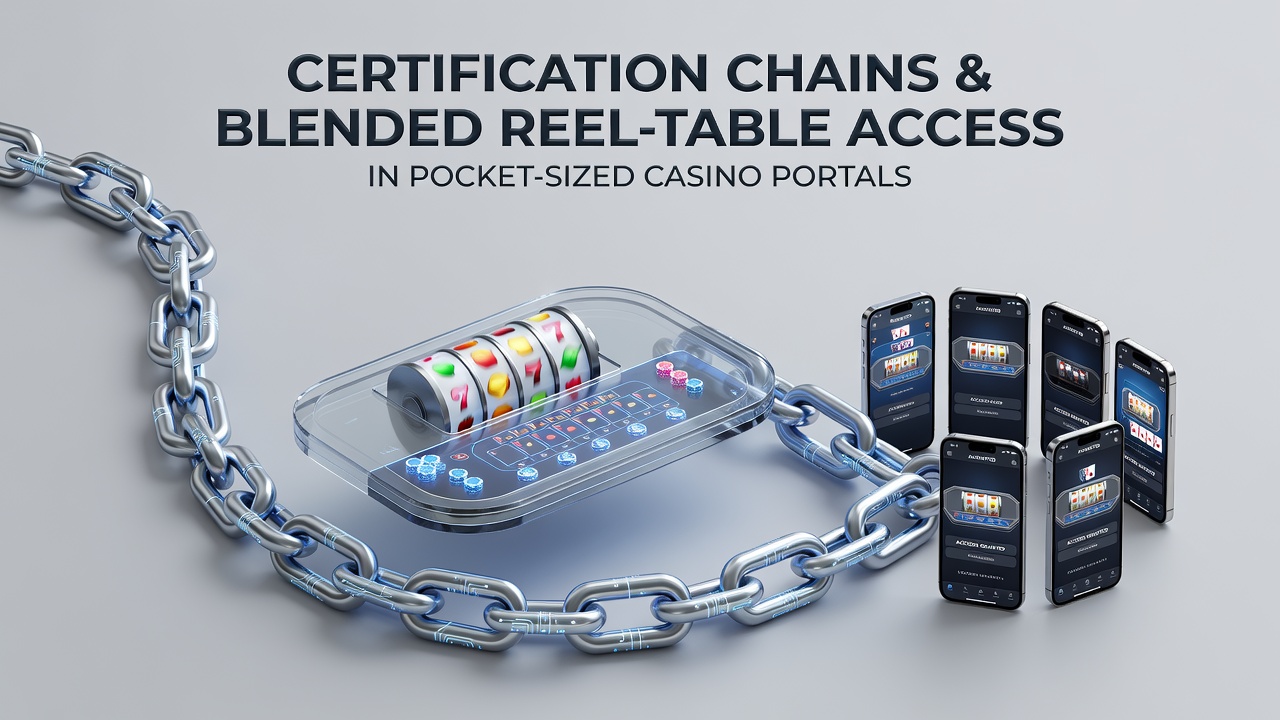
Certification Chains Shaping Blended Reel-Table Access in Pocket-Sized Casino Portals
Certification chains establish sequential layers of verification that connect security protocols, game integrity checks, and regulatory compliance standards in mobile gaming environments. These chains operate through interconnected digital certificates that validate everything from random number generator outputs in reel games to encryption standards supporting live dealer streams, and they directly influence which users gain entry to blended experiences on compact devices. Operators rely on these layered authentications to maintain operational continuity while meeting jurisdictional requirements across multiple regions.
Mechanics of Certification Chains in Mobile Ecosystems
Each certification chain begins with foundational elements such as device-level security tokens and progresses through application programming interface validations before reaching game-specific approvals. Researchers at institutions tracking digital trust frameworks have documented how these sequences prevent unauthorized access to combined reel and table offerings. Data from industry reports shows that chains incorporating public key infrastructure reduce latency in session handoffs between slot mechanics and live dealer interfaces by streamlining credential checks.
Portable casino portals integrate these verifications into user onboarding flows where initial device registration triggers a cascade of automated audits. The process links player account details with game server certificates, and this linkage determines whether reel spins can transition smoothly into table sessions without separate logins. Observers note that shorter chains correlate with faster load times on smartphones, whereas extended sequences add checkpoints that enhance fraud detection yet extend initial access delays.
Integration of Reel and Table Elements Under Certification Constraints
Blended access emerges when certification chains permit simultaneous validation of random number generator modules for slots alongside streaming protocols for live tables. This setup allows players to move between game types within a single application window, and certification requirements often mandate separate yet compatible audit trails for each category. Evidence from compliance databases indicates that portals using unified chain structures achieve higher session retention rates because transitions avoid redundant security prompts.
Technical standards developed by organizations like Gaming Laboratories International require that reel game certifications align with table game encryption parameters, and this alignment shapes how pocket-sized portals present hybrid lobbies. When chains incorporate cross-verification steps, operators can activate progressive reward systems that apply across both game formats without violating isolation rules for live dealer feeds. June 2026 marks the scheduled rollout of updated interoperability guidelines in several North American jurisdictions, which aim to standardize these chain configurations for broader mobile compatibility.

Regulatory Influences Across Jurisdictions
Regulatory bodies enforce certification chain standards that vary by region yet share common principles around audit frequency and data integrity. The New Jersey Division of Gaming Enforcement maintains records showing how state-approved chains have expanded blended access options in licensed apps since early implementations. Australian research compilations from the Australian Gambling Research Centre reveal patterns where chain length directly affects the availability of mixed reel-table features on smaller screens due to bandwidth considerations during verification.
Operators adjust portal architectures to accommodate these regional differences, and certification updates frequently prompt backend modifications that preserve access pathways for existing users. Those monitoring compliance trends point out that chains incorporating real-time monitoring components help portals sustain live table connections alongside automated reel sequences without service interruptions.
Technical Adaptations in Pocket-Sized Environments
Device constraints on smaller screens necessitate optimized chain processing that minimizes computational overhead during blended game switches. Developers implement caching mechanisms for frequently accessed certificates, and this approach reduces the number of full verifications required per session. Studies tracking mobile performance metrics demonstrate that portals employing adaptive chain management maintain consistent frame rates even when users alternate between high-interaction table games and rapid reel spins.
Encryption protocols within these chains must balance security depth with processing efficiency, and advancements in lightweight certificate formats have supported wider deployment on entry-level smartphones. Data compiled through 2025 indicates steady growth in blended feature adoption as certification tools evolve to handle diverse device capabilities.
Future Trajectories and Compliance Monitoring
Continued refinement of certification chains focuses on incorporating blockchain-based ledgers for immutable audit records, which could further streamline access controls in mobile settings. Industry associations project that standardized chain protocols will support expanded live table integrations with reel-based progressions by late 2026. Monitoring agencies continue to evaluate how these developments affect overall system resilience across portable platforms.
Conclusion
Certification chains function as foundational gatekeepers that determine the scope and fluidity of blended reel-table access within pocket-sized casino portals. Their layered structure supports regulatory adherence while enabling technical integrations that connect distinct game formats. Ongoing adjustments in verification processes reflect responses to both device limitations and jurisdictional mandates, and these adaptations sustain operational frameworks for mobile gaming environments.