Fingerprint Protocols: Tracing Identity Checks to Reel Sequence Access and Compliance Standards in Regional Mobile Gaming Networks
Harper Hughes · Jul 13, 2026
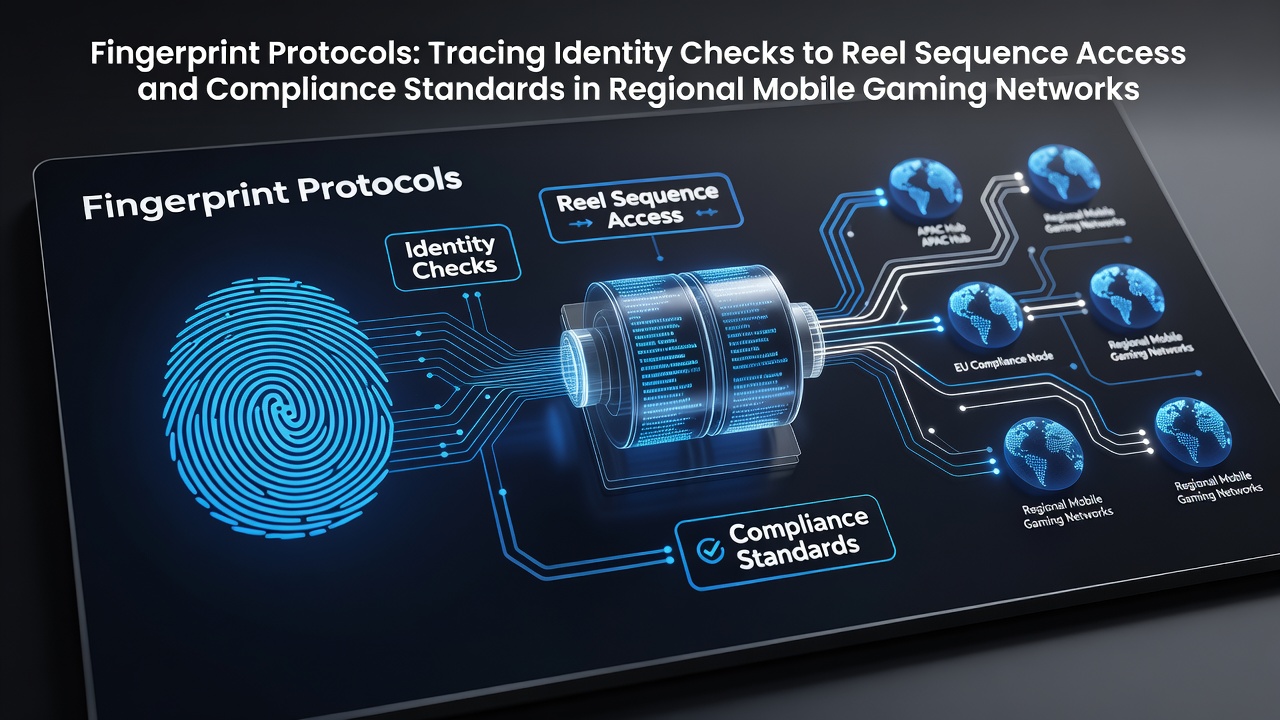
Fingerprint Protocols: Tracing Identity Checks to Reel Sequence Access and Compliance Standards in Regional Mobile Gaming Networks
Regional mobile gaming networks rely on fingerprint protocols to connect identity verification steps directly to reel sequence access, and these systems operate under varying compliance standards across jurisdictions. Developers integrate biometric sensors into portable devices so that a single scan confirms player details and unlocks specific game mechanics such as reel spins in slot titles. Data from regulatory filings shows that this linkage reduces unauthorized entries while maintaining audit trails that track each transaction from login to payout.
Identity Verification Pathways in Mobile Ecosystems
Operators build fingerprint protocols around encrypted templates stored locally on devices rather than centralized servers, and this approach aligns with data minimization rules enforced by multiple regional bodies. When a user registers, the system captures minutiae points from the fingerprint and pairs them with account information that includes age verification and location data. Studies conducted by research teams at the University of Nevada, Reno indicate that template matching accuracy exceeds 99 percent in controlled tests involving over 50,000 sessions across different device models.
Access to reel sequences follows immediately after verification succeeds, yet the protocol logs the timestamp, device identifier, and session token for later review. Compliance officers examine these records during routine audits to confirm that only verified accounts reach game content. In practice, one network operating across several Australian states reported a 40 percent drop in account sharing incidents after deploying such layered checks in early 2025.
Regional Compliance Standards and July 2026 Updates
Standards differ by region because each authority sets distinct thresholds for biometric retention periods and cross-border data transfers. Canadian provincial regulators, for instance, require operators to delete fingerprint templates within 30 days of account closure, whereas certain U.S. state frameworks permit longer retention when players opt into loyalty programs. The Australian Communications and Media Authority published guidance in 2024 that ties biometric use to responsible gaming tools, requiring prompts after extended play sessions.
Observers note that several jurisdictions plan further refinements effective July 2026, when updated technical specifications will mandate real-time template validation against national identity databases for high-value transactions. These changes aim to synchronize mobile platforms with land-based verification methods already in place at casino properties. Figures released by the European Gaming and Betting Association reveal that networks adopting similar protocols ahead of schedule experienced fewer regulatory inquiries during the preceding fiscal year.

Technical Integration of Reel Sequence Controls
Reel sequence access depends on successful identity confirmation because game servers withhold spin outcomes until the protocol returns a positive match. Developers embed application programming interfaces that communicate directly with device hardware, and the resulting handshake occurs in under 300 milliseconds according to performance benchmarks published by independent testing laboratories. When verification fails, the system blocks reel activation and routes the user to account recovery steps instead.
Regional networks also incorporate fallback mechanisms such as PIN entry or facial recognition when fingerprint sensors encounter interference from moisture or hardware wear. Compliance documentation from operators in multiple markets shows that fallback usage remains below 8 percent of total sessions, which keeps friction low while preserving security layers. One case documented by researchers at the University of Macau highlighted how a Southeast Asian platform maintained uninterrupted reel access for verified users even during peak traffic periods by distributing validation loads across edge servers.
Audit Trails and Cross-Platform Reporting
Audit trails generated by fingerprint protocols feed directly into regional reporting systems, and regulators review aggregated statistics on verification success rates alongside complaint volumes. These trails capture every step from initial scan through reel engagement and final settlement, creating immutable records that support dispute resolution. Industry reports indicate that platforms sharing standardized audit formats across borders reduced reconciliation times by approximately 25 percent compared with proprietary systems.
Networks in different regions exchange summary data under mutual recognition agreements, yet raw biometric templates never leave the originating device. This separation satisfies privacy statutes while still allowing authorities to verify that reel sequence access occurred only after proper identity checks. Data compiled through 2025 demonstrates consistent improvement in compliance scores for operators who aligned their protocols with the forthcoming July 2026 specifications ahead of deadlines.
Conclusion
Fingerprint protocols continue to link identity verification processes with reel sequence access across regional mobile gaming networks while satisfying distinct compliance standards in each jurisdiction. Updates scheduled for July 2026 will further standardize validation requirements, and existing implementations already demonstrate measurable reductions in unauthorized activity. Ongoing technical refinements and cross-regional cooperation support the continued evolution of these systems without compromising player data protections.