Handshake Mechanics: The Role of API Integrations Between Payment Processors and Game Servers in Unlocking VIP Live Table Privileges
Taylor Beck · Jul 9, 2026
Handshake Mechanics: The Role of API Integrations Between Payment Processors and Game Servers in Unlocking VIP Live Table Privileges
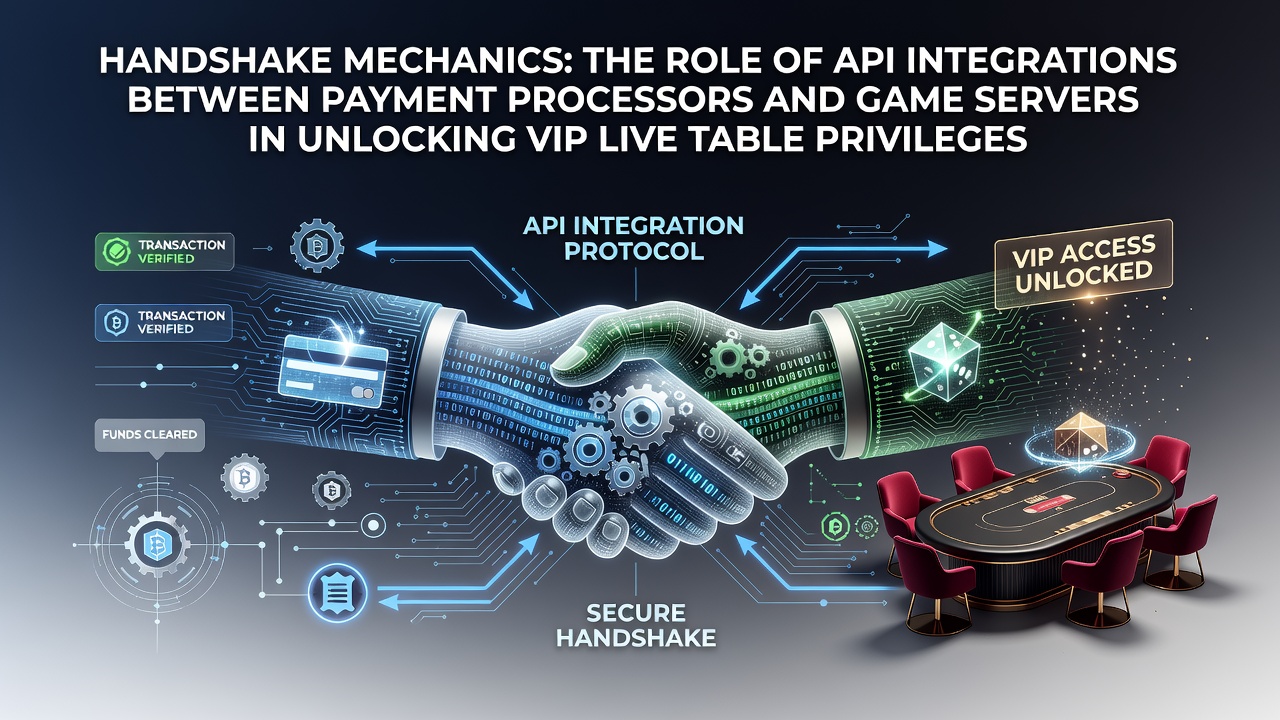
Payment processors and game servers exchange data through structured API calls that verify transactions and update player status in real time, and these exchanges determine when accounts gain access to VIP live table sessions. The process begins when a deposit or withdrawal completes on the payment side, which then triggers an outbound request to the gaming platform's endpoint with encrypted payload details including amount, timestamp, and account identifier.
Core Components of the API Handshake Process
Authentication occurs first through token validation or certificate exchange, while subsequent data packets carry transaction metadata that the game server parses to adjust loyalty tiers. Systems often employ OAuth 2.0 or similar frameworks to establish secure sessions, and once the handshake succeeds the server logs the event before pushing updated privileges to the live dealer module. Developers configure endpoints to handle both synchronous confirmations and asynchronous callbacks, which allows the platform to reflect VIP status changes without requiring players to refresh their interfaces manually.
Observers note that these integrations rely on standardized data formats such as JSON or XML, and they incorporate checksums to prevent tampering during transit. When thresholds for VIP elevation are met through accumulated verified spend, the payment processor signals the game server to unlock restricted tables, and this signal travels over encrypted channels that comply with regional data protection requirements.
Transaction Verification and Tier Advancement
Each successful payment triggers a series of validation steps that cross-reference player history against predefined criteria for live table entry. Game servers query internal databases to confirm the account meets minimum activity levels before granting access, and the entire sequence typically completes within milliseconds to maintain seamless gameplay. Research from industry technical reports shows that platforms using redundant API pathways experience fewer interruptions when one processor endpoint experiences latency, which keeps VIP privileges active during peak hours.
Security Protocols in Live Table Unlocking
Encryption standards such as TLS 1.3 protect the data flow between systems, and multi-factor checks on both sides reduce the risk of unauthorized status changes. Audit logs record every handshake attempt with details on success or failure codes, and these records support compliance reviews by regulatory bodies. In July 2026 several jurisdictions updated guidance on real-time verification requirements, prompting operators to strengthen callback mechanisms that confirm VIP tier changes before live dealer sessions begin.
Platforms integrate these mechanics with mobile applications by exposing lightweight API versions that mobile game servers can query quickly, and this setup ensures consistent privilege application across devices. Data indicates that operators who maintain detailed mapping between payment events and reward triggers achieve higher retention among high-volume players, since access to exclusive tables appears automatically once conditions are satisfied.
Integration Patterns Across Different Regions
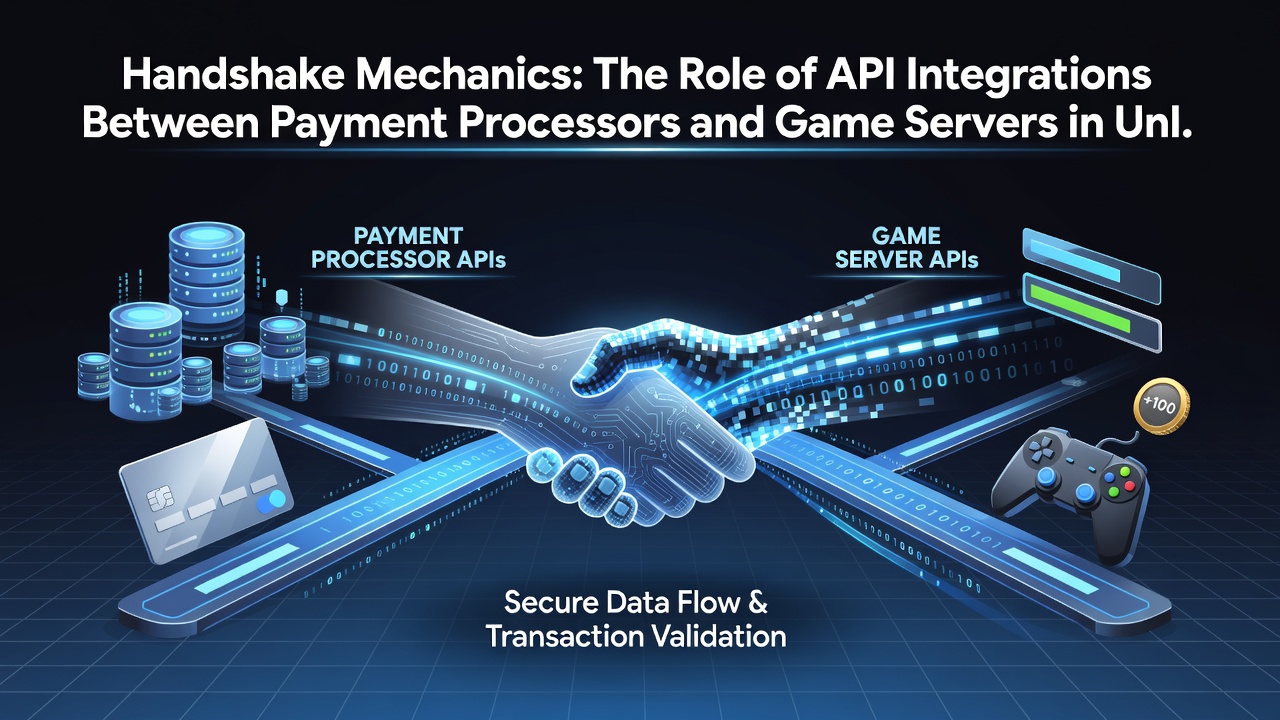
Operators in North America frequently align their API schemas with standards published by state gaming authorities, whereas European platforms reference frameworks from bodies such as the Malta Gaming Authority. These alignments influence how quickly tier updates propagate to live table modules, and they affect the types of payment methods that can initiate the unlocking sequence. Academic studies on digital transaction systems highlight that robust error-handling routines prevent partial handshakes from leaving accounts in inconsistent states, which protects both players and operators from disputes over access rights.
Case examples from large-scale deployments reveal that combining payment processor APIs with internal game server logic allows for dynamic table allocation based on current VIP count, and this prevents overcrowding on high-demand tables. The handshake also carries session tokens that live dealer software uses to authenticate participants before they join private tables, ensuring only verified VIP accounts participate.
Future Developments in API-Driven Access Control
Industry groups continue to refine specifications for faster, more secure data exchange, and emerging protocols incorporate machine learning elements to predict when players will reach the next tier. These advancements build on existing infrastructure rather than replacing it, which allows operators to upgrade components incrementally. Figures from recent technical conferences show increasing adoption of event-driven architectures that push status changes proactively instead of waiting for polling requests from the game server.
Regulatory updates expected after mid-2026 may further standardize the fields included in each handshake payload, particularly those related to responsible gaming limits that interact with VIP privileges. Operators already testing these enhanced formats report smoother transitions when accounts move between standard and premium live table environments.
Conclusion
API integrations between payment processors and game servers form the technical backbone that converts verified financial activity into live table access for VIP players. The handshake sequence ensures accurate, timely privilege updates while maintaining security and compliance across multiple regulatory environments. As platforms continue to evolve these connections, the underlying mechanics remain focused on reliable data exchange that supports both player experience and operational integrity.