How Independent Audits Drive Loyalty Tier Advancement in Mobile Platforms With Slots and Live Tables
Iris Jung · Jun 13, 2026

How Independent Audits Drive Loyalty Tier Advancement in Mobile Platforms With Slots and Live Tables
Mobile platforms that combine automated reels with human-operated tables rely on independent audits to establish verifiable performance metrics that directly influence how players move through loyalty tiers, and these audits examine everything from random number generator outputs to dealer protocol compliance before any reward structures activate. Platforms integrate both game formats because players often transition between automated spins and live interactions within single sessions, which creates complex data streams that auditors must evaluate separately yet consistently. According to records maintained by the Nevada Gaming Control Board, audit frequency increased by 18 percent across mobile operators between 2024 and 2025, reflecting tighter scrutiny of cross-format fairness claims that affect tier eligibility.
Audit Standards Applied to Mixed Game Environments
Independent firms test automated reels through millions of simulated spins while simultaneously reviewing live table streams for procedural adherence, and the resulting reports feed directly into loyalty algorithms that calculate points, bonuses, and tier thresholds. Auditors verify that random number generators meet certified entropy standards before any slot data contributes to player progression scores, whereas human-operated tables undergo separate evaluations of shuffle integrity, payout accuracy, and session logging. Those who've studied platform operations note that discrepancies in either category can freeze tier advancement until remediation occurs, creating a checkpoint system that rewards consistent compliance rather than raw volume alone. In June 2026 several operators began publishing quarterly audit summaries that explicitly tie verification outcomes to loyalty program adjustments, allowing players to see how audit results translate into tier movement criteria.
Verification Processes Connecting Audits to Player Advancement
Platforms transmit anonymized gameplay datasets to auditors who cross-reference outcomes against regulatory benchmarks, and successful verification unlocks higher point multipliers or accelerated tier qualification for eligible accounts. Automated reels receive statistical sampling that confirms payout percentages align with advertised rates, while live tables face observational audits that assess whether dealer actions match documented procedures. Researchers at institutions tracking gaming technology have documented cases where platforms adjusted loyalty algorithms within 30 days of receiving negative audit findings, effectively delaying tier promotions until corrective measures restored compliance. This linkage ensures that progression reflects not only play volume but also platform integrity across both game types.
Regulatory Context and Geographic Variations
Different jurisdictions impose distinct audit requirements that mobile platforms must satisfy before loyalty programs can operate across borders, and operators often adopt the strictest applicable standards to maintain global access. Data compiled by the Gambling Regulatory Authority of Singapore shows that platforms serving multiple regions undergo layered audits covering both automated and live components, with tier progression rules updated whenever new verification protocols take effect. Observers note that these overlapping requirements create a de facto global baseline where audit outcomes determine whether players in one market can access the same loyalty benefits available elsewhere. Platforms therefore maintain parallel audit schedules, ensuring that automated reel certifications and live table inspections remain synchronized with each region's regulatory calendar.
Practical Effects on Tier Structures
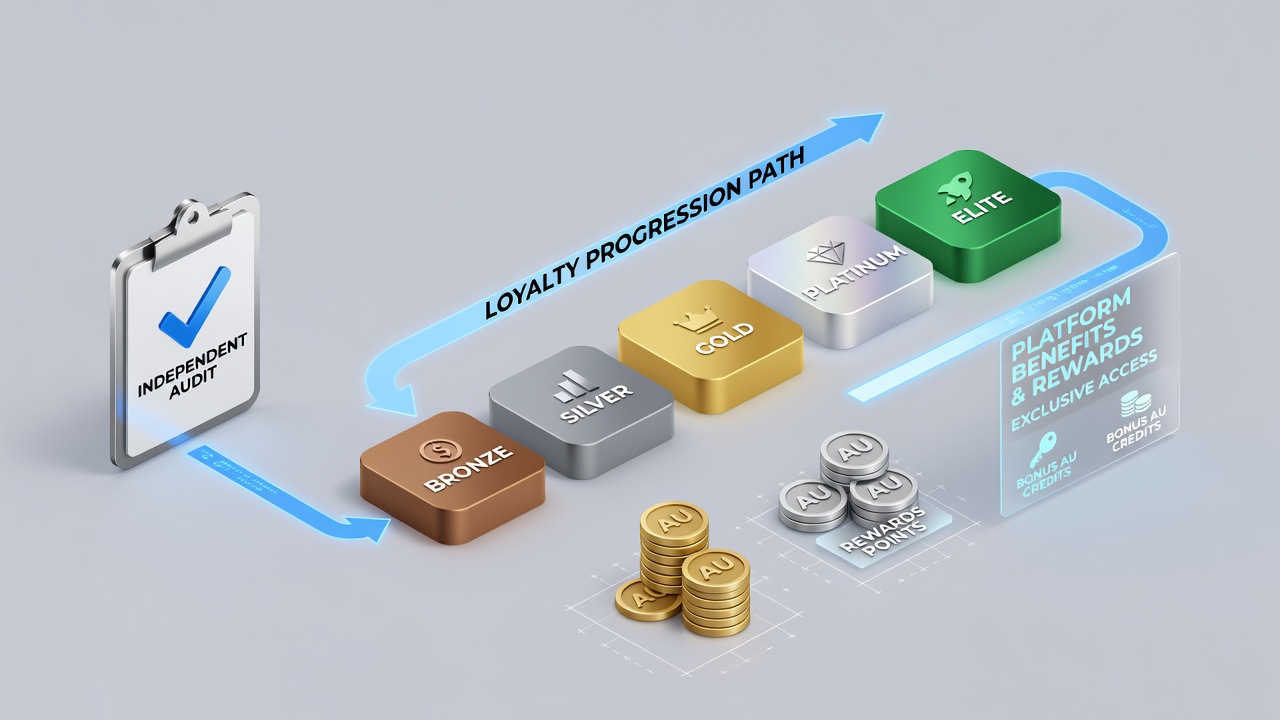
Loyalty systems translate audit results into concrete rules such as minimum verified payout rates or session integrity scores that players must meet before advancing, and platforms publish these criteria so users understand the connection between audit performance and reward access. When audits flag anomalies in automated reels, platforms may temporarily restrict point accrual from those games until re-certification, whereas issues with human-operated tables can trigger broader reviews that affect entire live sections of the app. Those who've examined user progression data report that platforms with consistent clean audits tend to offer more predictable tier timelines, because verified metrics reduce the need for manual adjustments or holds on player accounts. This mechanism turns audit reports into foundational inputs rather than after-the-fact checks.
Conclusion
Independent audits function as gatekeepers that convert technical compliance into measurable loyalty progression across mobile platforms featuring both automated reels and human-operated tables, and the systems now in place tie verification outcomes directly to tier eligibility and reward distribution. As platforms continue integrating additional game formats, audit protocols will likely expand to cover new data streams while preserving the link between verified fairness and player advancement. Regulatory developments scheduled around June 2026 may further standardize how these connections appear in public reporting, giving users clearer visibility into the audit-driven mechanics that govern their tier movement.