Licensing Evolution: How Updated Standards Shape Mobile Casino Incentives and Live Game Participation
Anna Neumann · Aug 15, 2026
Licensing Evolution: How Updated Standards Shape Mobile Casino Incentives and Live Game Participation
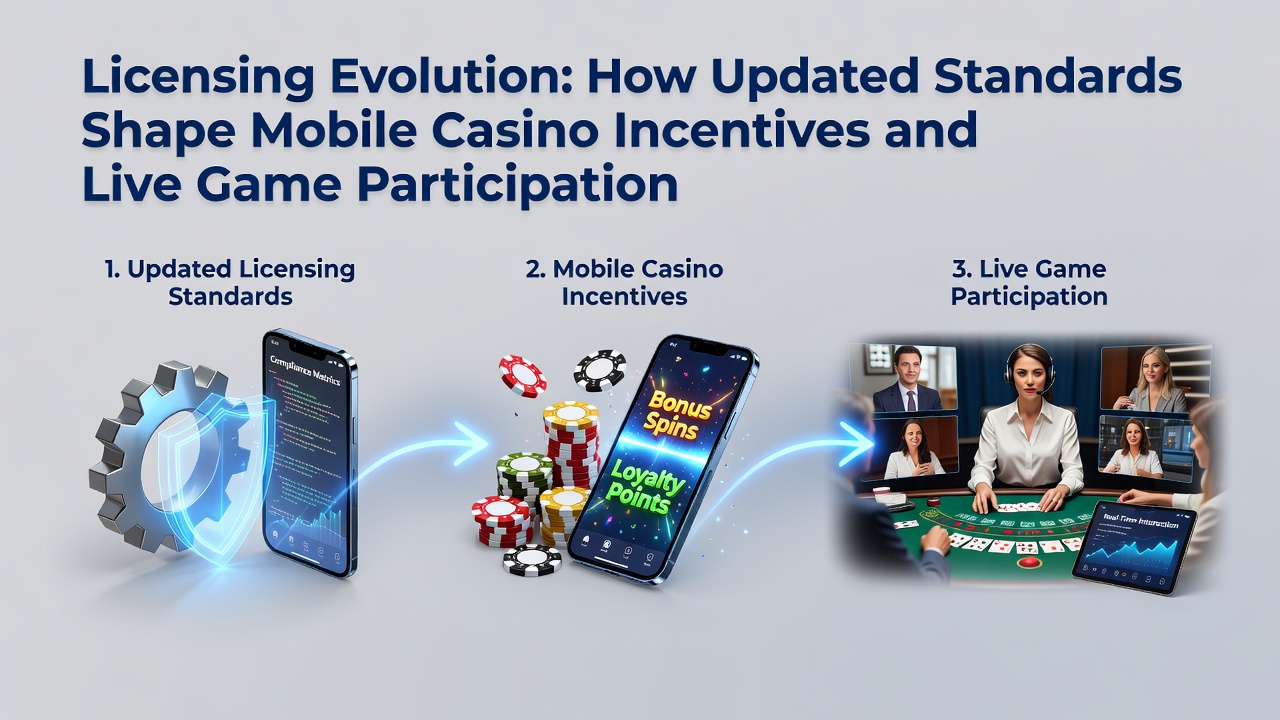
Regulatory frameworks for online gambling have shifted noticeably over the past decade, and those changes directly influence how operators structure incentives on mobile platforms while determining access rules for live dealer tables. Licensing bodies in multiple jurisdictions now tie bonus approvals and game participation metrics to stricter compliance benchmarks that cover player verification, fund segregation, and real-time auditing.
Shifts in Licensing Requirements Since 2020
Authorities in North America and Europe introduced layered standards that require operators to demonstrate ongoing technical audits before they can offer tiered welcome bonuses or loyalty rewards through smartphone apps. These rules replaced earlier frameworks that focused mainly on initial license grants, and the new approach demands continuous reporting on how promotional credits reach verified accounts. Data from the New Jersey Division of Gaming Enforcement shows that mobile bonus redemption rates rose 18 percent between 2023 and 2025 once operators aligned their systems with updated verification protocols.
Operators must now embed geo-location checks and multi-factor authentication into every incentive distribution cycle, which has lengthened the time between sign-up and bonus activation yet reduced chargeback disputes. Those adjustments appear most clearly in markets where licenses expire on rolling three-year cycles rather than the previous five-year model.
August 2026 Implementation Timeline
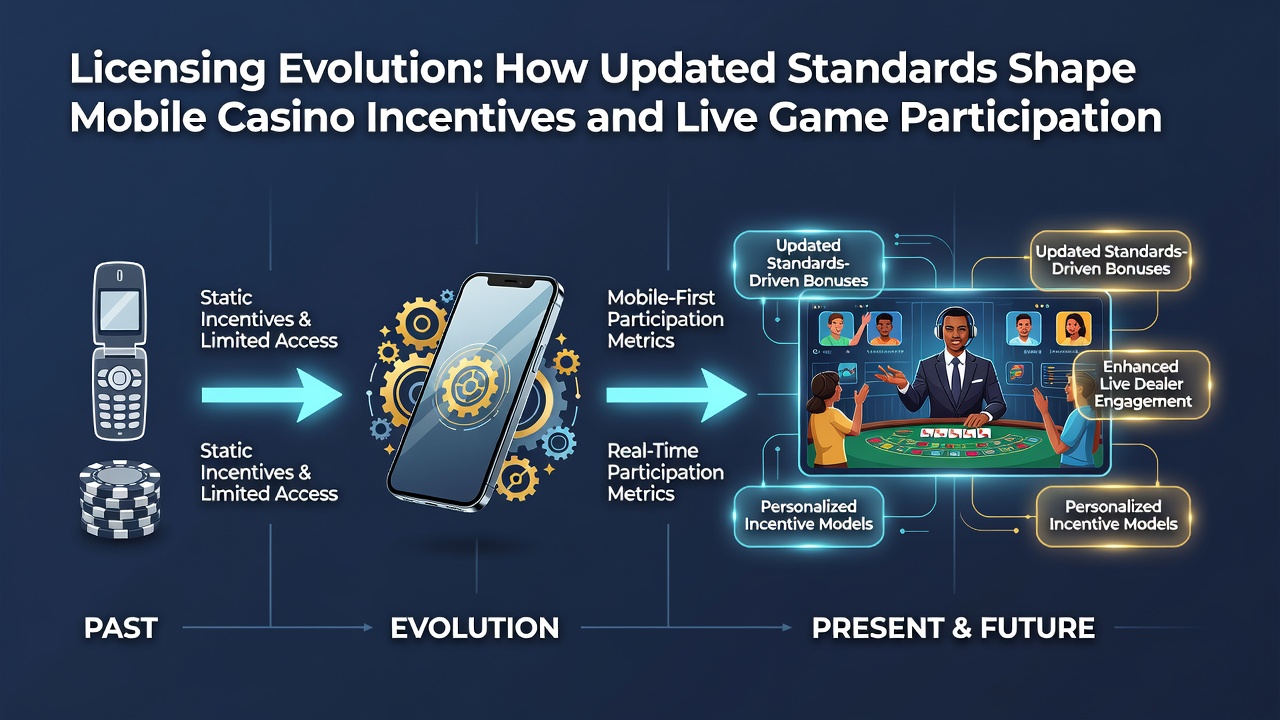
Starting in August 2026, several Canadian provinces will enforce new clauses that link live table entry to the same identity assurance levels already required for bonus claims on mobile devices. The changes mean players who complete enhanced verification steps gain immediate access to live dealer blackjack and roulette streams, while those who skip the process face delayed participation even if they hold active accounts. Regulators in Ontario and British Columbia published draft guidance documents in early 2025 that outline these thresholds, and operators have spent the intervening months upgrading their back-end systems accordingly.
Effects on Mobile Bonus Structures
Updated licensing language now caps the percentage of bonus funds that can derive from unverified deposits and requires operators to display clear wagering progress bars inside apps. These display requirements emerged after multiple jurisdictions recorded higher complaint volumes when players encountered hidden play-through conditions. Figures released by the Australian Communications and Media Authority indicate that transparent incentive dashboards reduced player queries by 27 percent in the first quarter after introduction. Operators responded by redesigning their reward ladders so that each completed verification tier unlocks additional live game credits rather than static free spins alone.
Live dealer participation has become another compliance checkpoint. Platforms must log session duration and average bet size for every verified user, then feed those metrics into quarterly license renewal submissions. The resulting datasets help regulators assess whether incentive programs encourage prolonged play or simply attract one-time deposits before players move on.
Live Game Access and Cross-Platform Integration
Many licenses now require that live dealer studios operate under the same entity that holds the mobile casino license, which eliminates previous arrangements where separate companies managed RNG tables and streamed tables. This consolidation has streamlined payout reconciliation for progressive jackpots that span both mobile slots and live roulette wheels. Operators report that unified licensing reduced reconciliation errors by roughly 15 percent according to internal audits shared with oversight bodies.
Players who advance through verified tiers on mobile applications receive priority seating notifications for live tables during peak hours, and those notifications appear only after the system confirms the account meets all current licensing criteria. Such conditional access mechanisms reflect the broader trend of tying participation rights to documented compliance rather than account age alone.
Conclusion
Licensing evolution continues to reshape both incentive delivery and live game availability on mobile platforms through tighter verification loops and rolling compliance checks. Jurisdictions that adopted these standards earlier have produced measurable shifts in how quickly players move from deposit to live table engagement, and the August 2026 deadlines in additional regions will likely extend those patterns. Operators that maintain transparent reporting pipelines position themselves to meet the next wave of updates without disrupting player pathways.