Payment Authentication Networks Governing Live Dealer Entry and Loyalty Tiers in Mobile Casinos
Harper Hughes · Aug 24, 2026
Payment Authentication Networks Governing Live Dealer Entry and Loyalty Tiers in Mobile Casinos
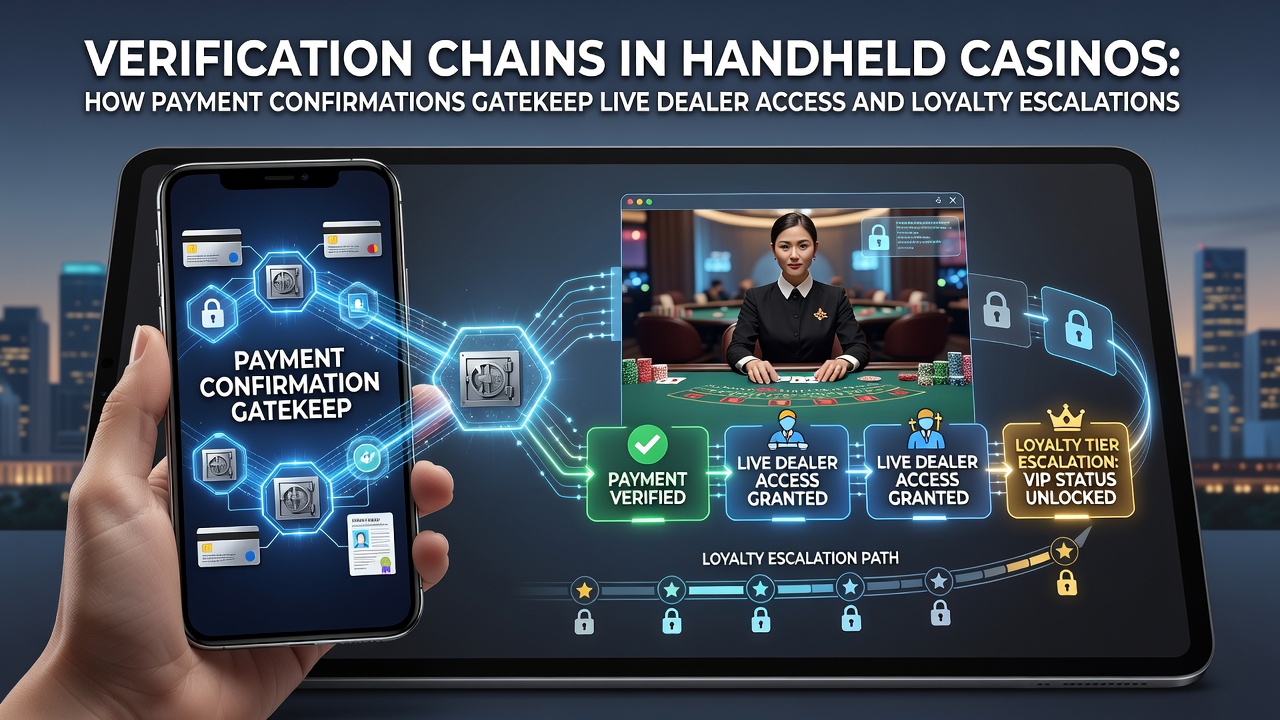
Payment authentication networks operate as layered systems that connect deposit verifications directly to live dealer sessions and progressive loyalty structures within handheld casino platforms, and these chains function through sequential checks that confirm transaction legitimacy before granting elevated access rights. Observers note that once a player completes a verified deposit, the system routes confirmation data through encrypted ledgers which then unlock entry points to real-time table environments while simultaneously logging activity toward reward escalations.
Core Components of Verification Chains
Verification chains consist of multiple stages where initial payment processing interfaces with identity validation protocols, bank authorization responses, and risk assessment algorithms, all of which must align before any progression occurs. Researchers have documented how these stages create sequential gates that prevent unconfirmed funds from reaching live dealer interfaces, and data from industry reports indicate that platforms enforce time-bound windows during which confirmations must complete to maintain session continuity. Those who study mobile gaming ecosystems find that interruptions at any link in the chain, such as delayed bank responses or flagged patterns, immediately restrict further advancement into live streams or higher loyalty brackets.
Payment Confirmations as Access Controls for Live Dealer Tables
Payment confirmations serve as primary gatekeepers that determine whether users can transition from standard slot or virtual game modes into live dealer environments, and this process typically requires successful settlement of deposits through verified channels before live table lobbies become available. According to figures from regulatory analyses, platforms in multiple jurisdictions integrate these confirmations with session tokens that expire unless renewed through additional authenticated transactions, thereby maintaining ongoing oversight of fund origins. Experts observe that in August 2026, several operators updated their protocols to include real-time cross-checks with external financial databases, which further tightened the linkage between confirmed payments and live dealer participation.
One documented pathway shows that after a deposit clears, the system assigns a verification score that directly influences the speed and extent of live table access granted, while partial or pending confirmations keep users in limited modes until full resolution occurs. Data indicates that this mechanism reduces unauthorized entries and aligns with compliance requirements set by oversight bodies such as the South Australian Independent Gambling Authority.
Loyalty Escalation Through Verified Transaction Histories
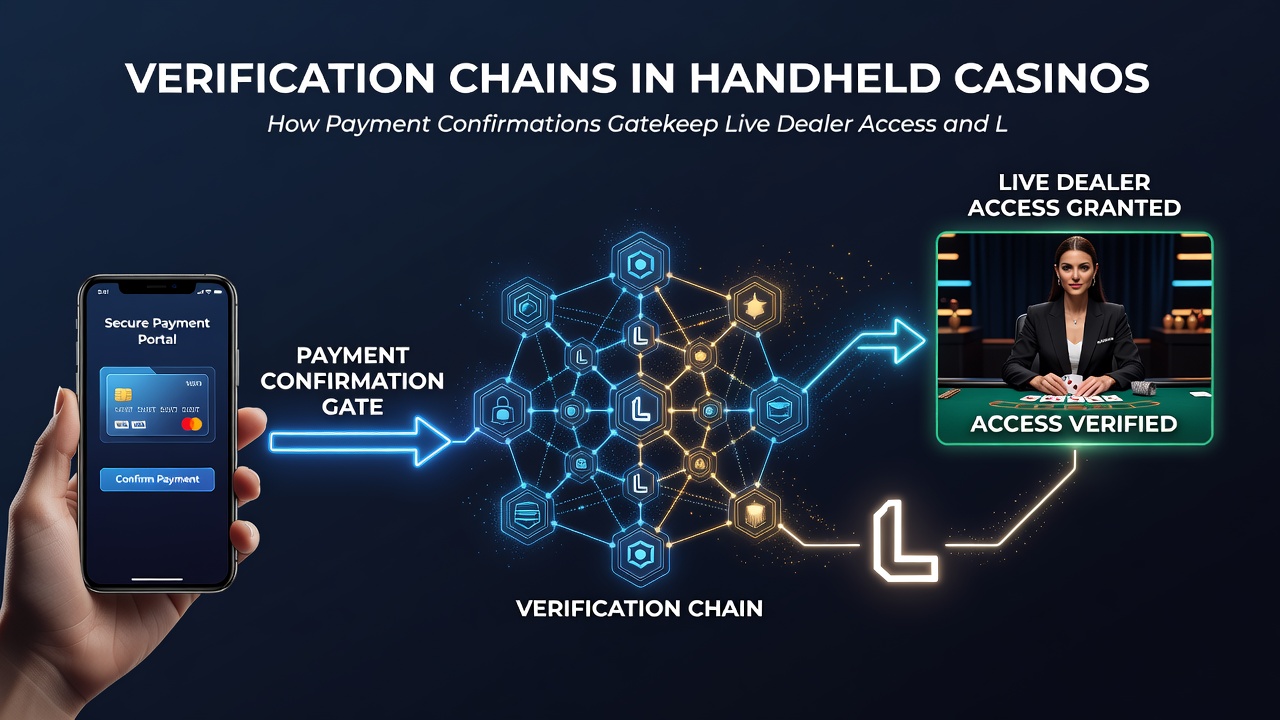
Loyalty escalations depend on cumulative records of verified payments that accumulate across sessions, and these records feed into tier advancement algorithms that unlock benefits only after specific confirmation thresholds are met. Studies from gaming technology providers reveal that each authenticated transaction contributes points or status markers which platforms then evaluate against predefined criteria for moving users into premium loyalty segments. Those who analyze player pathway data note that unverified or reversed payments reset or stall these progressions, creating a direct dependency between financial confirmation integrity and reward level attainment.
Platforms often employ tiered verification requirements where basic access demands simple deposit clearance, whereas advanced loyalty stages necessitate repeated, high-volume confirmed transactions across extended periods. Figures from market analyses show that this structure encourages sustained engagement through verified channels while simultaneously providing operators with auditable trails for regulatory reporting.
Integration Challenges and Platform Adaptations
Integration of verification chains with live dealer streams presents technical demands around latency reduction and data synchronization, and operators have responded by deploying edge computing solutions that process confirmations closer to user devices. Reports compiled by research institutions highlight how delays in payment authentication can interrupt live sessions, prompting developers to introduce fallback mechanisms that preserve partial access during brief verification gaps. Observers point out that Canadian provincial regulators, including those referenced in Alcohol and Gaming Commission of Ontario documentation, have issued guidelines emphasizing the need for transparent verification timelines to protect user experience without compromising security standards.
Additional adaptations include automated retry protocols and multi-channel confirmation options that allow payments from digital wallets or bank transfers to feed into the same chain structure, ensuring consistent progression toward loyalty escalations regardless of funding source.
Conclusion
Verification chains in handheld casinos establish structured dependencies between payment confirmations, live dealer access, and loyalty escalations through sequential validation steps that prioritize security and compliance. As platforms continue to refine these systems, data from regulatory and industry sources demonstrate measurable impacts on user pathways and operational controls, with ongoing developments expected to further integrate authentication processes across mobile environments.