Payment Trail Verification: Connecting Mobile Slot Spins to Live Dealer Entry and Tiered Reward Structures
Viktor Neumann · Jun 6, 2026
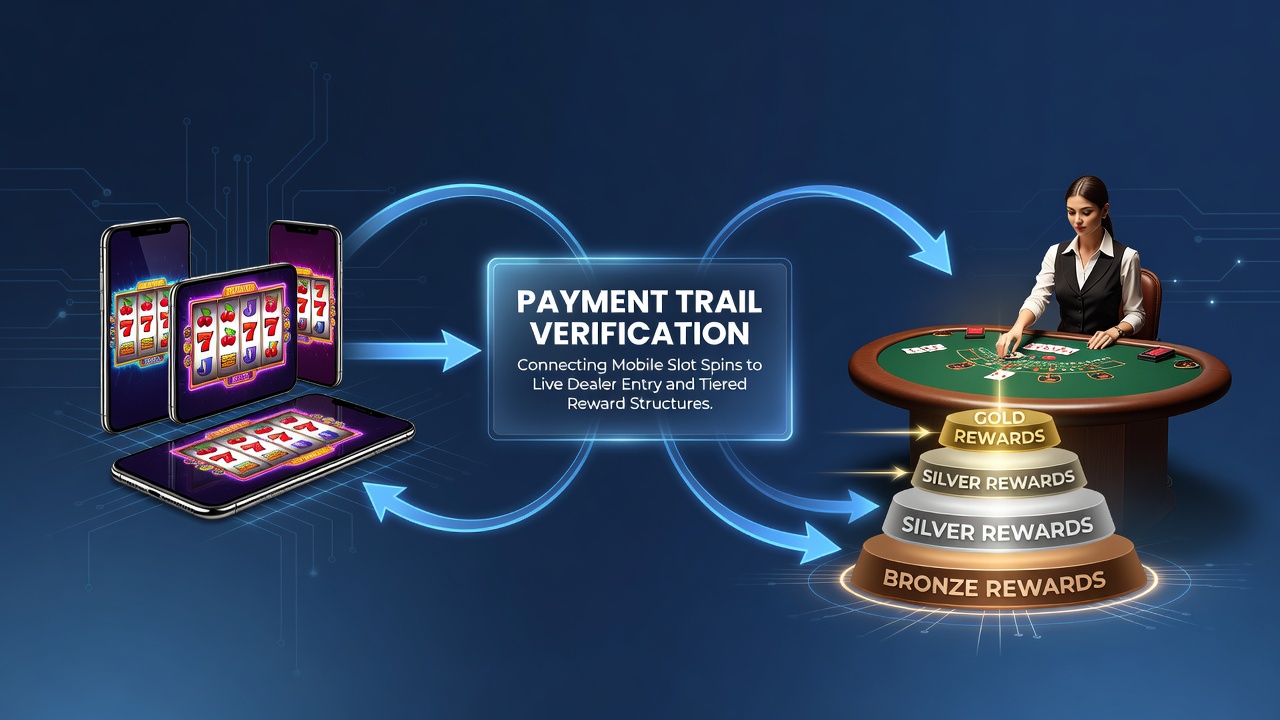
Payment Trail Verification: Connecting Mobile Slot Spins to Live Dealer Entry and Tiered Reward Structures
Payment trail verification systems track sequences of deposits and wagers from mobile slot sessions directly into eligibility checks for live dealer tables and progressive loyalty levels across portable casino platforms. These mechanisms rely on timestamped transaction records that confirm activity thresholds before granting access to real-time dealer environments or unlocking higher reward brackets. Operators implement these trails to maintain regulatory compliance while streamlining player progression from automated games to interactive formats.
How Transaction Logs Bridge Mobile Slots and Live Tables
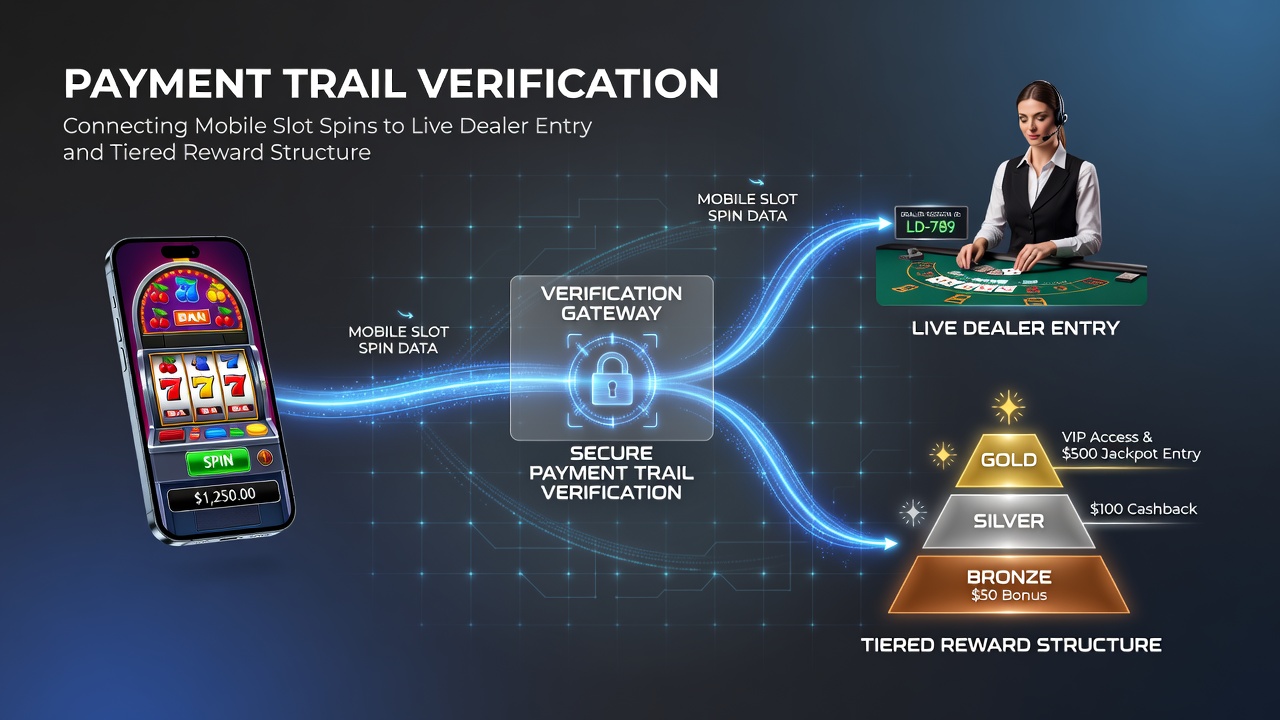
Verification protocols capture every spin outcome and associated payment on mobile devices then route the data through centralized ledgers that cross-reference against live dealer entry criteria. A player completing a set number of verified slot wagers within a defined window triggers an automated flag that opens live table lobbies without separate registration steps. This linkage reduces friction yet preserves audit trails required by oversight bodies such as the Nevada Gaming Control Board.
Systems often segment trails by payment method so cryptocurrency streams receive the same scrutiny as card or e-wallet transfers when determining live dealer qualification. Data from platform providers shows that verified trails cut entry delays by routing confirmation signals straight to dealer software interfaces.
Role of Tiered Reward Structures in Verification Flows
Tier advancement depends on cumulative verified payment activity rather than isolated game results so mobile slot spins contribute measurable points toward silver gold or platinum status. Once a tier threshold is met the same trail record automatically extends privileges including priority live dealer seating and enhanced bonus multipliers on table games. Observers note that this unified tracking prevents duplicate verification requests while ensuring reward calculations remain consistent across game types.
Platforms integrate these structures with real-time dashboards that display progress bars updated after each confirmed slot session. Players who reach higher tiers through sustained mobile activity gain entry to exclusive live dealer variants that lower-tier accounts cannot access until further verification milestones are cleared.
Regulatory Context and Platform Adaptations Through Mid-2026
By June 2026 several jurisdictions plan to require enhanced payment trail documentation for any cross-game progression that moves users from slots to live dealer environments. Regulatory filings indicate that operators must demonstrate complete traceability from initial mobile deposit through live table wagers and into reward tier assignments. These rules align with broader efforts to monitor responsible gaming markers embedded within verification sequences.
Canadian provincial regulators and Australian state gaming commissions have issued parallel guidance documents that emphasize audit-ready trails while permitting operators flexibility in implementation timelines. Industry reports from the International Gaming Standards Association highlight case studies where integrated verification reduced compliance review times by connecting slot data streams directly to dealer management systems.
Technical Integration Across Mobile and Dealer Platforms
Backend architectures use API handshakes that pass hashed payment identifiers between slot engines and live dealer servers so entry permissions activate only after trail validation succeeds. This approach supports sub-second handoffs yet maintains immutable logs for post-session audits. Mobile apps display status indicators that update as verification completes allowing users to transition smoothly from spinning reels to seated dealer tables.
One documented implementation at a multi-state operator showed that unified trails enabled automatic tier upgrades based solely on verified slot volume without requiring manual dealer requests. The same system flagged accounts approaching reward ceilings so players received timely notifications about upcoming live dealer privileges.
Security Measures Within Verification Chains
Encryption protocols wrap each segment of the payment trail to prevent tampering between mobile spin records and live dealer access gates. Multi-factor authentication layers sit atop transaction confirmations ensuring that tier progression reflects genuine activity rather than simulated sequences. Security teams at major platforms conduct periodic penetration tests focused specifically on trail integrity between slot and dealer modules.
Research from university-led gaming technology studies indicates that robust trail verification correlates with lower incidence of disputed reward claims because every step remains timestamped and attributable to verified payment sources.
Conclusion
Payment trail verification continues to evolve as the connective tissue linking mobile slot activity with live dealer participation and structured reward advancement. Operators refine these systems to satisfy expanding regulatory demands while preserving seamless player movement across game formats. Data from diverse oversight agencies demonstrates that traceable payment sequences support both compliance objectives and operational efficiency in portable casino environments through the remainder of the decade.