Security Metrics Guiding Progression Through Reward Levels in App-Based Gaming with Real-Time Table Interactions
Viktor Neumann · Jul 27, 2026

Security Metrics Guiding Progression Through Reward Levels in App-Based Gaming with Real-Time Table Interactions
Security metrics in app-based gaming platforms track user activity through encrypted transaction logs, authentication protocols, and behavioral analysis to determine eligibility for advancing reward tiers while users engage with real-time table interactions. These systems combine data from mobile slot sessions with live dealer tables so that verified patterns trigger tier upgrades without exposing account details or disrupting gameplay flow. Observers note that such integration relies on continuous monitoring of login frequency, wager consistency, and cross-game participation to maintain system integrity across portable devices.
Core Components of Security Metrics in Mobile Gaming Ecosystems
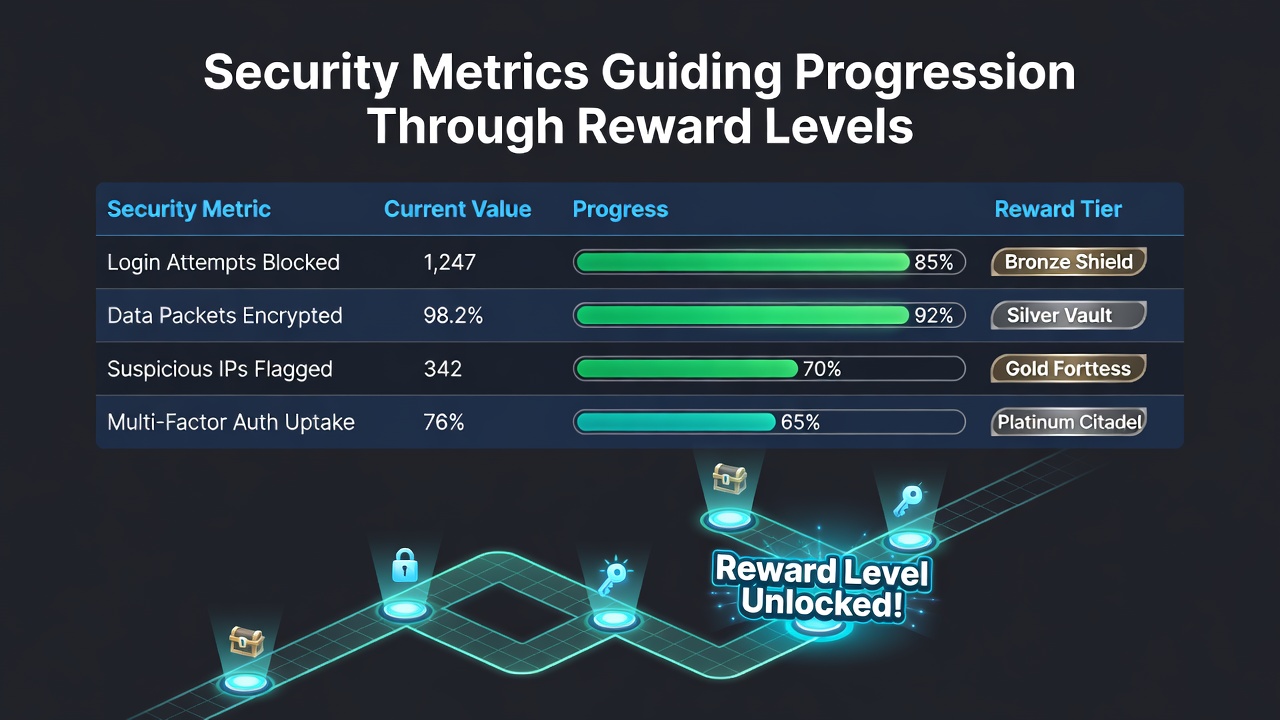
Encryption standards applied to every deposit and withdrawal create audit trails that link directly to reward progression algorithms, and these trails update in real time when players move between slot spins and live table seats. Multi-factor authentication records each access attempt, feeding into scoring models that calculate advancement points toward higher loyalty levels, while anomaly detection flags irregular patterns before they affect tier status. Data shows that platforms using these layered checks report fewer account compromises during peak hours when real-time tables operate at full capacity.
Behavioral biometrics add another layer by analyzing swipe speed, device orientation, and session duration, then feeding those variables into progression formulas that unlock bonus multipliers only after security thresholds clear. Researchers at institutions focused on digital security have documented how these metrics prevent unauthorized tier jumps in environments where live dealer streams require low-latency verification to stay synchronized with player actions.
Linking Transaction Verification to Reward Ladders
Payment channel validation occurs at the moment a user initiates a spin or places a live table bet, and successful verification accumulates points that push accounts toward the next reward bracket. Systems record each confirmed transfer with timestamps and device identifiers, allowing algorithms to weigh recent activity against historical baselines before approving tier elevation. According to reports from the American Gaming Association, such verification steps have become standard in mobile ecosystems handling both slots and interactive tables.
Platforms often segment reward structures so that live table participation carries distinct metric weights compared with automated games, because real-time interactions generate richer data sets for risk assessment. When a player completes a verified sequence of table rounds without triggering alerts, the system advances their status automatically and notifies the account through the app interface.
Real-Time Table Interactions and Tier Advancement Protocols
Live dealer sessions transmit encrypted video feeds alongside player decision logs, and these combined streams contribute to security scores that determine when accounts qualify for elevated rewards. The process requires sub-second validation of each bet placement so that progression remains uninterrupted even during extended table sessions. As of July 2026, several major app providers updated their metric thresholds to account for increased table traffic during evening hours across multiple time zones.
Third-party audit services review these protocols periodically, confirming that progression pathways stay aligned with regulatory expectations for fair play and account protection. One documented case involved a platform that adjusted its biometric thresholds after external review, resulting in smoother tier transitions for users who maintained consistent verified activity across both slot and table formats.
Integration Challenges and Platform Responses
Balancing rapid reward delivery with robust security creates technical demands, particularly when mobile networks fluctuate during live table play. Developers address this by caching metric calculations locally while syncing final results to central servers once connectivity stabilizes. Industry reports indicate that platforms maintaining separate metric pathways for table versus slot activity experience fewer delays in tier updates during high-volume periods.
Cross-device continuity further complicates the picture, yet most systems now employ cloud-based profile storage that preserves security history regardless of whether a user switches phones mid-session. This approach ensures that accumulated progression points remain intact even if device changes occur between reward evaluations.
Conclusion
Security metrics continue to shape how app-based platforms manage reward progression alongside real-time table features, with verification layers and behavioral data forming the backbone of tier advancement. Ongoing refinements in encryption, authentication, and audit processes support stable growth in user engagement while maintaining operational safeguards. External oversight from regulatory and research bodies helps sustain these frameworks as mobile gaming expands into new markets and device formats.