Tracing Transaction Webs: How Encrypted Ledgers Gatekeep Reward Ladders and Live Streams Across Portable Platforms
Viktor Neumann · Jun 18, 2026
Tracing Transaction Webs: How Encrypted Ledgers Gatekeep Reward Ladders and Live Streams Across Portable Platforms
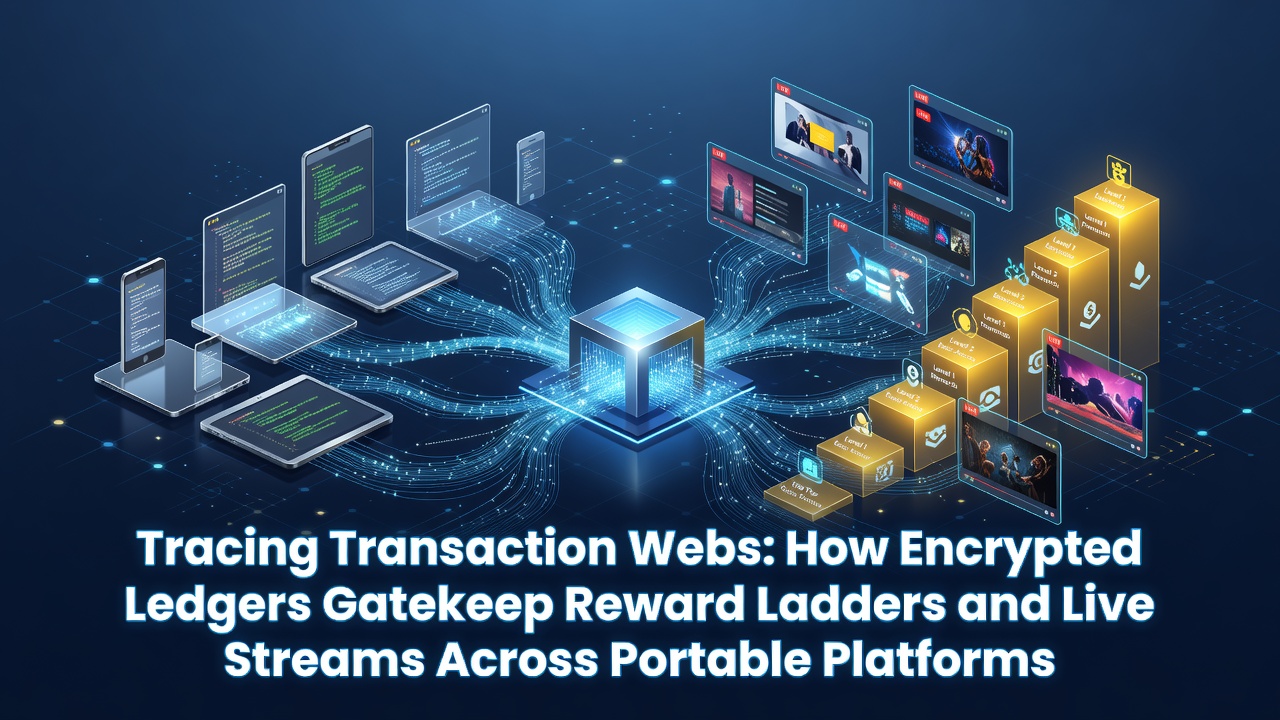
Portable casino applications rely on encrypted ledgers to record every deposit, spin, and withdrawal in real time, which creates a transparent chain that platforms use to determine user eligibility for higher reward tiers and live dealer access. These digital records operate across smartphones and tablets, where each verified transaction updates a player's status without requiring manual intervention from operators.
Ledger Architecture in Handheld Environments
Developers integrate distributed ledger technology directly into mobile wallets so that every payment confirmation travels through multiple nodes before reaching the central server, and this process generates immutable timestamps that feed into loyalty algorithms. Data from platform audits shows that transactions processed through such systems reach verification in under three seconds on average during peak hours in early 2026, allowing seamless progression along reward ladders once thresholds are met.
Operators configure these ledgers to flag specific patterns, such as repeated small deposits followed by larger withdrawals, which then trigger additional security checks before live stream privileges activate. The mechanism ensures that only accounts with clean transaction histories gain entry to private dealer tables streamed at 60 frames per second.
Reward Ladder Mechanics Tied to Verification
Platforms structure reward ladders so that each tier requires a cumulative transaction volume recorded on the ledger, and players advance automatically once the encrypted chain confirms the required activity. Research conducted by the Alcohol and Gaming Commission of Ontario indicates that mobile users who complete verification within the same day experience faster tier upgrades compared with those whose records contain pending flags.
Intermediate tiers often unlock enhanced bonus multipliers and priority queue positions for live dealer sessions, while top levels grant exclusive stream access during high-stakes events. The ledger acts as the gatekeeper because any discrepancy in the transaction sequence blocks advancement until resolved through secondary authentication steps.
Live Stream Integration and Access Controls
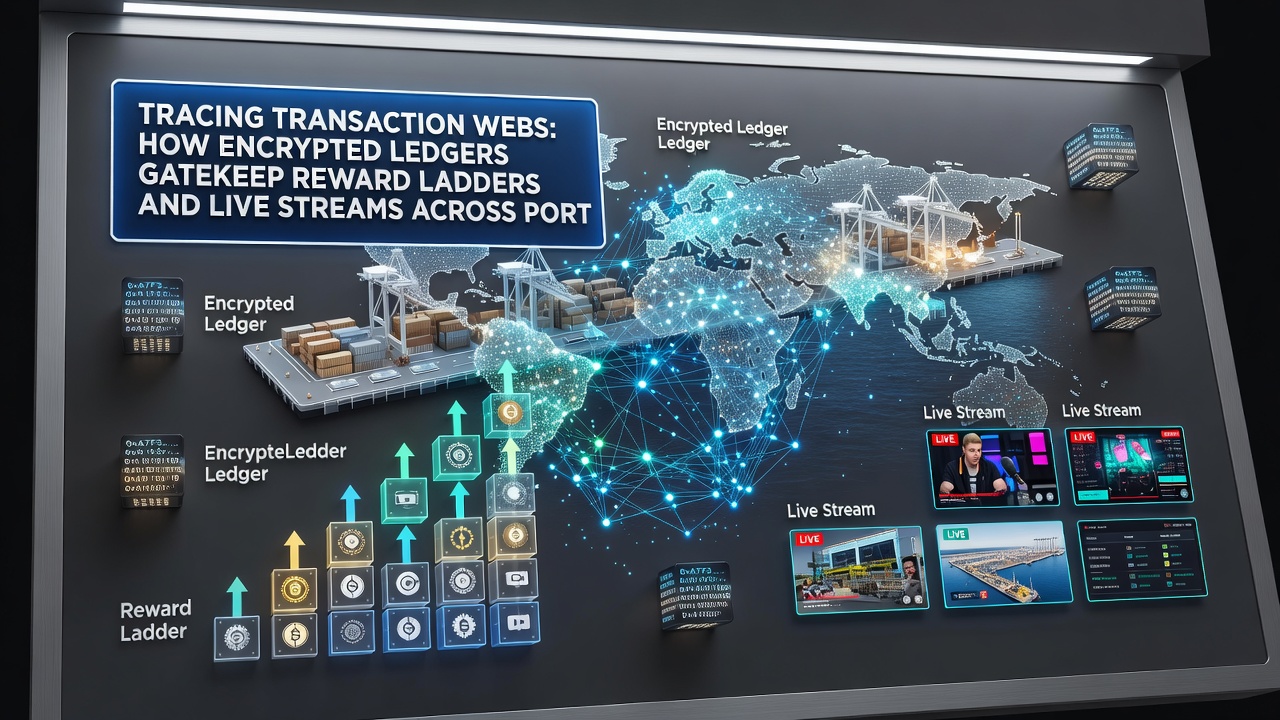
Live dealer streams on portable platforms activate only after the ledger confirms sufficient account activity, and this gatekeeping process occurs through API calls that query the encrypted record before granting stream tokens. June 2026 updates to several major operators introduced dynamic token expiration tied directly to recent transaction velocity, which prevents inactive accounts from maintaining continuous access.
Observers note that the integration allows real-time adjustment of stream quality based on verified payment channels, with higher-tier users receiving lower latency connections. The system cross-references each session request against the ledger history so that sudden spikes in activity without corresponding deposits receive immediate review.
Cross-Platform Data Flow and Regulatory Tracking
Encrypted ledgers enable consistent tracking when users switch between different portable devices, because the transaction web remains anchored to the account rather than the hardware. Reports from the New Jersey Division of Gaming Enforcement highlight that this continuity reduces disputes over reward eligibility across iOS and Android ecosystems.
Industry reports show that operators increasingly share aggregated ledger summaries with regulators to demonstrate compliance with responsible gaming thresholds, particularly for accounts moving rapidly through reward ladders. The shared data includes timestamp sequences and amount ranges but excludes personal identifiers unless subpoenaed.
Future Adjustments in Ledger Protocols
Developers continue refining consensus mechanisms to handle higher volumes of micro-transactions common in mobile slot play, and these refinements directly affect how quickly reward ladders update and live streams become available. Testing conducted in controlled environments during the first half of 2026 demonstrated reduced confirmation times without compromising the security layers that gatekeep access.
Platforms also explore zero-knowledge proofs layered on top of existing ledgers, which would allow verification of tier eligibility while revealing fewer transaction details to external parties. Such enhancements maintain the gatekeeping function while addressing privacy concerns raised in multiple jurisdictions.
Conclusion
Encrypted ledgers form the backbone of transaction verification across portable casino platforms, directly controlling progression through reward ladders and entry to live dealer streams. The architecture links each mobile action to an immutable record that platforms and regulators consult for eligibility decisions. As protocols evolve through 2026, the core function of these webs remains the same: they ensure that only verified activity unlocks advanced features while maintaining consistent oversight across devices and operating systems.