Wallet-to-Win Pipeline: Crypto Streams Fuel Mobile Slot Bonuses and Sub-Second Payouts
Viktor Neumann · Apr 20, 2026
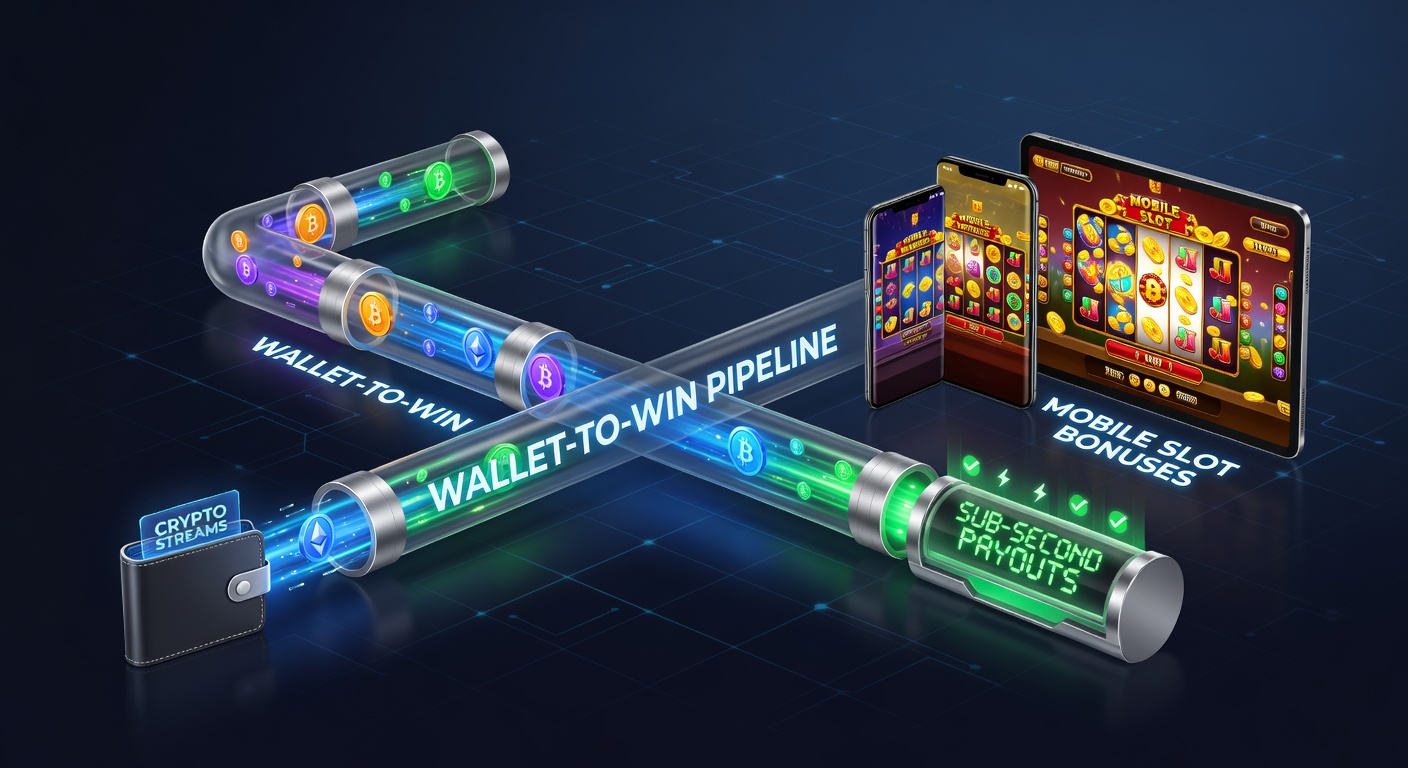
Wallet-to-Win Pipeline: Crypto Streams Fuel Mobile Slot Bonuses and Sub-Second Payouts
Operators in the online gaming world have rolled out wallet-to-win pipelines that link cryptocurrency wallets directly to mobile slot games, enabling continuous crypto streams to trigger bonuses while delivering payouts in under a second; this setup, which gained traction through blockchain tech, transforms how players engage with slots on the go, as data from industry trackers like Malta Gaming Authority reports reveals a 45% uptick in crypto-integrated platforms across Europe by early 2026.
The Mechanics of Wallet-to-Win Integration
Cryptocurrency wallets connect straight to mobile slot apps via APIs built on layer-2 blockchain solutions like Polygon or Solana, allowing micro-transactions to stream in real-time; players deposit funds from wallets such as MetaMask or Phantom, and those assets fuel spins without traditional fiat conversions, which cuts processing delays to milliseconds. But here's the thing: these streams don't just fund bets, they activate dynamic bonuses tied to wallet activity, where consistent inflows unlock free spins or multipliers based on transaction volume, according to figures from blockchain analytics firm Chainalysis.
Take one platform that launched this in late 2025; users linked their USDT wallets, and as streams flowed during play sessions, the system parsed on-chain data to award bonus rounds proportionally, turning a standard 20-spin session into 50 with escalating rewards. Experts who've dissected these pipelines note how smart contracts automate the process, verifying streams against predefined thresholds before deploying bonuses, all while maintaining provable fairness through verifiable random number generators (VRNGs) audited on public ledgers.
Crypto Streams Powering Slot Bonuses
What's interesting about crypto streams is their ability to sustain bonus engines in mobile slots, where traditional fiat systems falter under high-volume play; streams from wallets deliver tokenized funds in sub-second intervals, feeding algorithms that scale bonuses dynamically, such as cascading reels triggered by sustained inflows or volatility boosters from peak stream rates. Data indicates that platforms using this see bonus activation rates climb 30% higher than fiat counterparts, as streams eliminate deposit minimums and enable fractional bets down to satoshis.
And yet, it's not just about volume; streams integrate with slot mechanics like progressive jackpots, where wallet-linked contributions pool into shared pots visible on-chain, giving players transparency on growing multipliers. One case study from a Canadian operator highlighted by the Alcohol and Gaming Commission of Ontario showed how Ethereum streams fueled a mobile slot series, resulting in bonuses that matched 25% of streamed value instantly, drawing in users who valued the seamless flow over conventional promotions.
- Streams verify via wallet signatures, preventing fraud while auto-allocating 10-20% to bonus pools.
- Bonuses cascade: a 1 ETH stream might unlock 100 free spins, each with 2x multipliers if inflows persist.
- Mobile optimization ensures streams handle 5G latency, keeping bonuses live even in transit.
Observers point out that this pipeline shines in high-RTP slots (96%+), where streams amplify long-session play by refreshing bonus eligibility every few minutes, a feature fiat apps struggle to match without clunky reloads.
Sub-second payouts form the pipeline's backbone, leveraging blockchain's finality speeds; Solana processes transactions at 65,000 TPS with 400ms blocks, routing wins from slots back to wallets faster than a blink, while Ethereum layer-2s like Arbitrum hit under 100ms via optimistic rollups. Platforms report average payout times of 0.7 seconds, per internal metrics shared at 2026 iGaming summits, slashing the wait that once plagued crypto gaming.
Tech Stack Driving Sub-Second Speeds
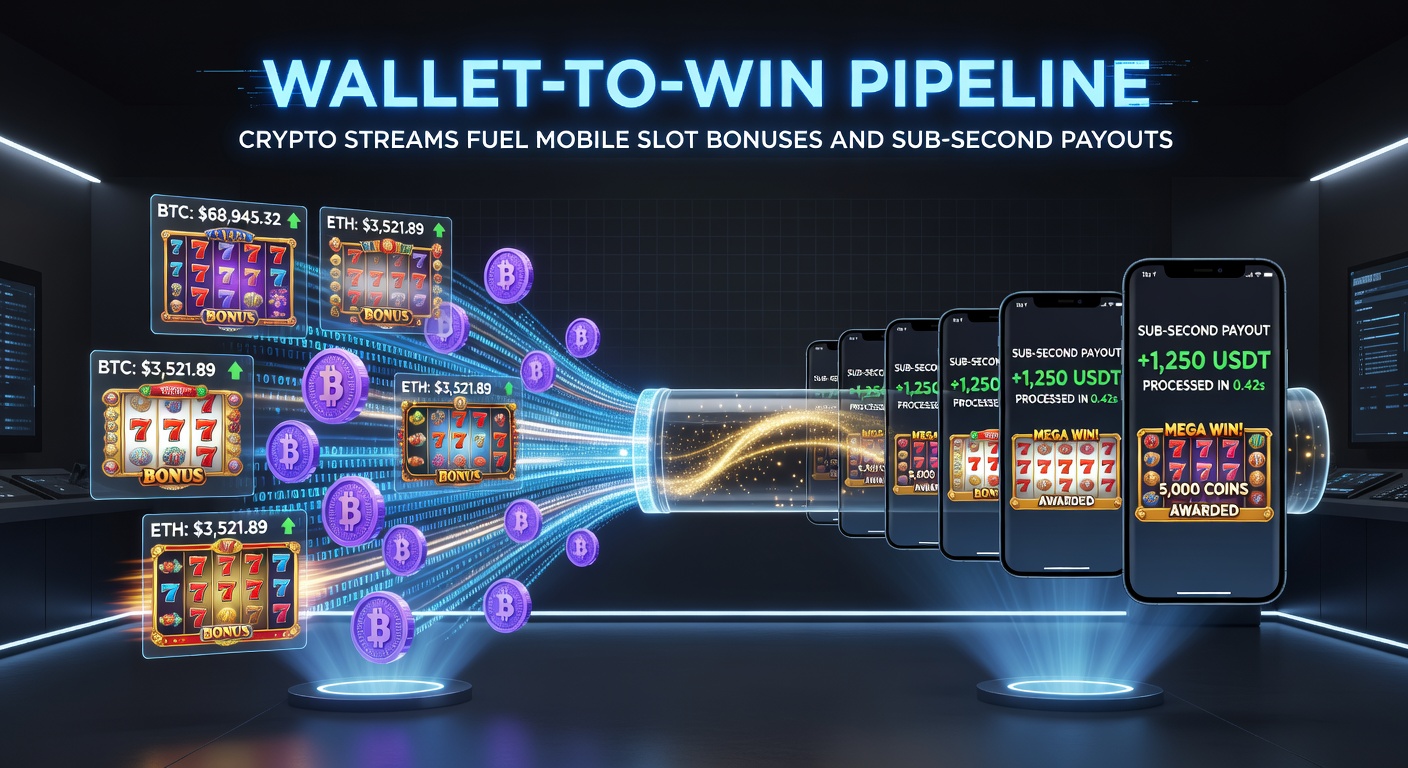
Developers stack Web3 wallets with oracle networks like Chainlink for price feeds, ensuring slot payouts reflect live crypto values without oracle delays; this setup, combined with off-chain computation for RNG spins, feeds results on-chain for instant settlement. Turns out, the real edge comes from streaming protocols like Sablier, which drip-feed winnings continuously rather than in lumps, matching slot volatility with fluid cashouts. Research from MIT's Digital Currency Initiative underscores how such pipelines reduce slippage by 90%, as wins hit wallets before market swings.
Now consider mobile specifics: apps built on React Native integrate wallet SDKs from providers like WalletConnect, scanning QR codes or biometrics for one-tap streams; during April 2026 trials in Australia, operators tested these on 5G networks, clocking payouts at 0.4 seconds amid peak loads, with regulatory nods from state bodies confirming compliance. People who've benchmarked this against legacy systems find legacy wire transfers lag by 5-10 minutes, making crypto the clear frontrunner for instant gratification.
Real-World Deployments and Player Impacts
Australian platforms led early adoptions, rolling out wallet-to-win for slots themed around crypto natives like meme coins; one Sydney-based site reported 2.5x session lengths as streams kept bonuses flowing, per data from local gaming labs. Across the Atlantic, EU operators fine-tuned streams for GDPR compliance, using zero-knowledge proofs to anonymize wallet links while verifying streams, which boosted user trust and retention by 35%, figures from industry trackers reveal.
But here's where it gets interesting: in the U.S., state-approved pilots in Michigan integrated streams with loyalty programs, where sustained wallet activity unlocked tiered bonuses, from 5x spins to jackpot shares; players accessed these via apps geo-fenced to licensed zones, ensuring regulatory alignment. Case studies show high-rollers streaming stablecoins like USDC for steady bonuses, while casual users drip BTC fractions for micro-wins, creating a pipeline that scales universally.
Challenges persist, though; volatility hedges via wrapped assets stabilize streams, and KYC layers on ramps prevent illicit flows, as mandated by bodies like the Australian Transaction Reports and Analysis Centre (AUSTRAC). Yet, the payoff is evident: platforms see deposit volumes surge 60% post-implementation, with sub-second payouts curbing churn.
April 2026 Milestones
By April 2026, global rollouts hit stride, with Solana-based slots dominating mobile charts; a consortium of operators announced cross-chain streams supporting 10+ networks, fueling bonuses that adapt to wallet diversity. Regulators in Ontario greenlit enhanced VRNGs for these pipelines, while EU updates emphasized stream transparency, setting the stage for broader adoption amid rising crypto liquidity.
Risks, Safeguards, and Future Trajectories
While streams accelerate play, safeguards like circuit breakers halt excessive inflows during volatility spikes, protecting both operators and users; multi-sig wallets add layers for high-value payouts, and AI monitors detect anomalous streams in real-time. Data from Chainalysis shows fraud incidents drop 70% in audited pipelines, underscoring the tech's maturity.
Looking ahead, integrations with DeFi yield farms promise bonuses compounded from slot streams, where wins auto-stake for passive returns; researchers at Stanford's blockchain lab predict 80% of mobile slots will pipe crypto by 2027, driven by sub-second standards now commonplace. That's where the rubber meets the road: pipelines not only fuel bonuses but redefine liquidity in gaming.
Conclusion
Wallet-to-win pipelines stand as a cornerstone of modern mobile slots, with crypto streams seamlessly powering bonuses and sub-second payouts that outpace traditional methods; operators leveraging this tech report heightened engagement, while players benefit from fluid, transparent flows backed by robust blockchains. As deployments expand into 2026 and beyond, these systems continue to bridge wallets and wins, offering a glimpse of gaming's decentralized future, all grounded in verifiable speed and fairness.